
A Doll’s House Reading Level, Grade Level, and Best Classroom Version
A Doll’s House by Henrik Ibsen. Welcome to the Leveled Lit Classics Library (LLCL), a platform made by a teacher for teachers that makes timeless classical literature accessible to students and meets them at their reading level. Each title in the library has a comprehensive companion study guide and lesson plan.
Browse more classics for Grades 9–12
Challenges Teachers Face
A Doll’s House by Henrik Ibsen (1879) can work across the high school grades when teachers match the text version to student reading readiness. LLCL offers both Original and Leveled classroom paths so classes can stay aligned on character motives, dramatic tension, and the play’s final turning point.
Teachers often need a clear answer on whether students can handle Ibsen’s realistic dialogue, the play’s social context, and Nora’s layered decisions in the Original text or whether the Leveled version will support stronger discussion and pacing.
Use the Original when students are ready to analyze subtext, symbolism, and social critique closely; use the Leveled version when students need a more manageable entry point into the same central conflicts and character shifts.
Reading level and text complexity at a glance
| Version | Reading profile | Best classroom use |
|---|
| Original |
FKGL 3.5 • 26,700 words |
Best for stronger readers and full-text literary analysis. |
| Leveled |
FKGL 2.4 • 13,100 words |
Best for accessibility, differentiation, and shared whole-class pacing. |
When should teachers choose the Original or Leveled version?
Choose Original when...
- Best when students can track layered dialogue and analyze how Ibsen builds conflict through subtext.
- Useful for close reading of symbolism, social critique, and the play’s final confrontation.
- A strong choice for classes writing about character motivation or dramatic irony.
Choose Leveled when...
- Better when students need a cleaner path through the dialogue and the play’s shifting emotional stakes.
- Helps mixed-readiness classes stay together for discussion of Nora, Torvald, and the ending.
- Useful when pacing and broad comprehension matter more than preserving every nuance of the original phrasing.
Why can A Doll’s House feel difficult for some students?
subtext-heavy dialoguehistorical gender rolessymbolic detailsmotive tracking
Students often miss meaning when they read the dialogue too literally and do not pause for subtext or power shifts.
The social expectations behind Nora’s choices can feel distant without brief context on marriage, money, and reputation in the play’s world.
Because the tension builds through conversation rather than action scenes, some classes need support noticing how small revelations change the stakes.
Content and classroom-fit considerations
The play centers on marital control, deception, blackmail pressure, and a controversial ending. It is strongest in classrooms ready for serious discussion of power, identity, and social roles.
Same-grade-band free title example
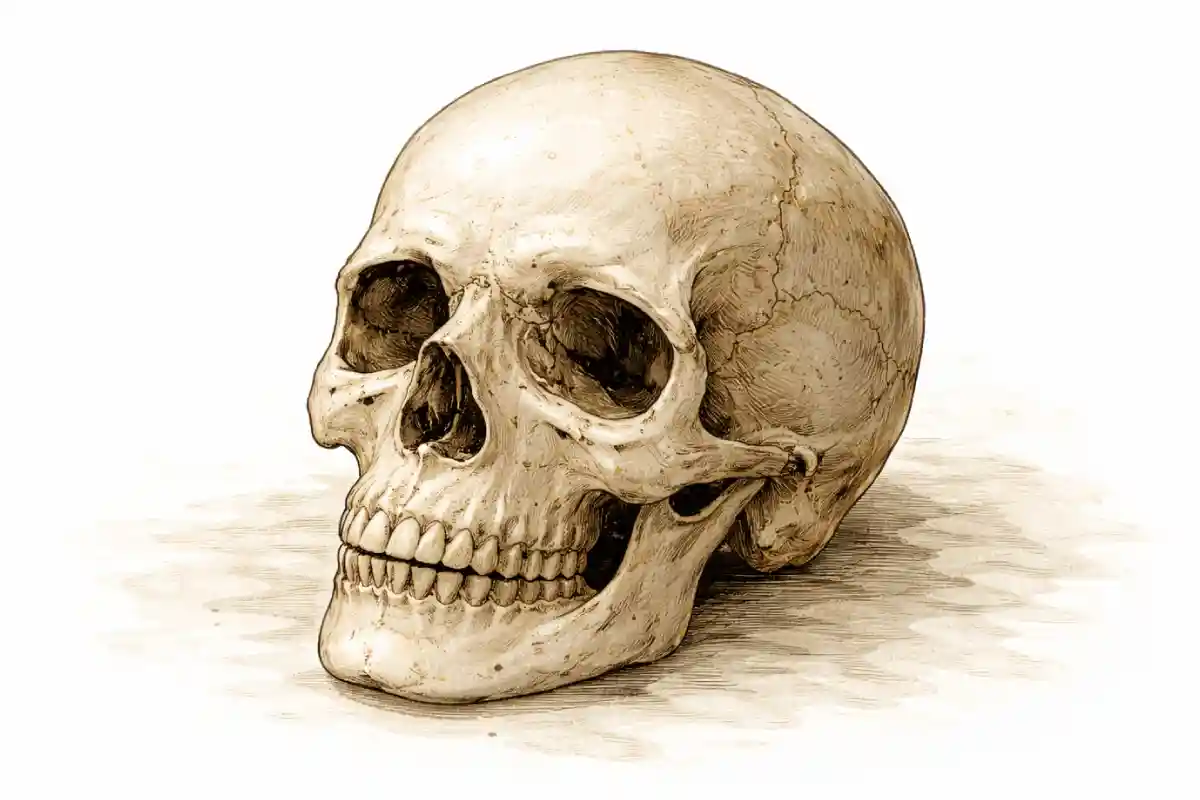
Hamlet
Hamlet is already free in LLCL, so teachers can preview the full platform, scene-by-scene reading support, and companion study guide immediately.
FAQ
Is A Doll’s House too hard for 9th grade?
It can work in 9th grade when teachers support the social context and help students read for subtext. The Leveled version is often the better choice when dialogue nuance would otherwise slow comprehension.
What makes A Doll’s House challenging for students?
The biggest hurdles are subtext, historical context, and character motivation. Students often understand the plot before they fully understand why the ending matters.
When should teachers choose the Leveled version?
Choose the Leveled version when you want students to access Nora’s conflict and the play’s major ideas without getting stuck on every layer of the original dialogue.