Choose Original when...
- students can handle slower pacing and fine detail
- you want close work with realism and indirect characterization
- discussion will focus on social expectations and personal autonomy
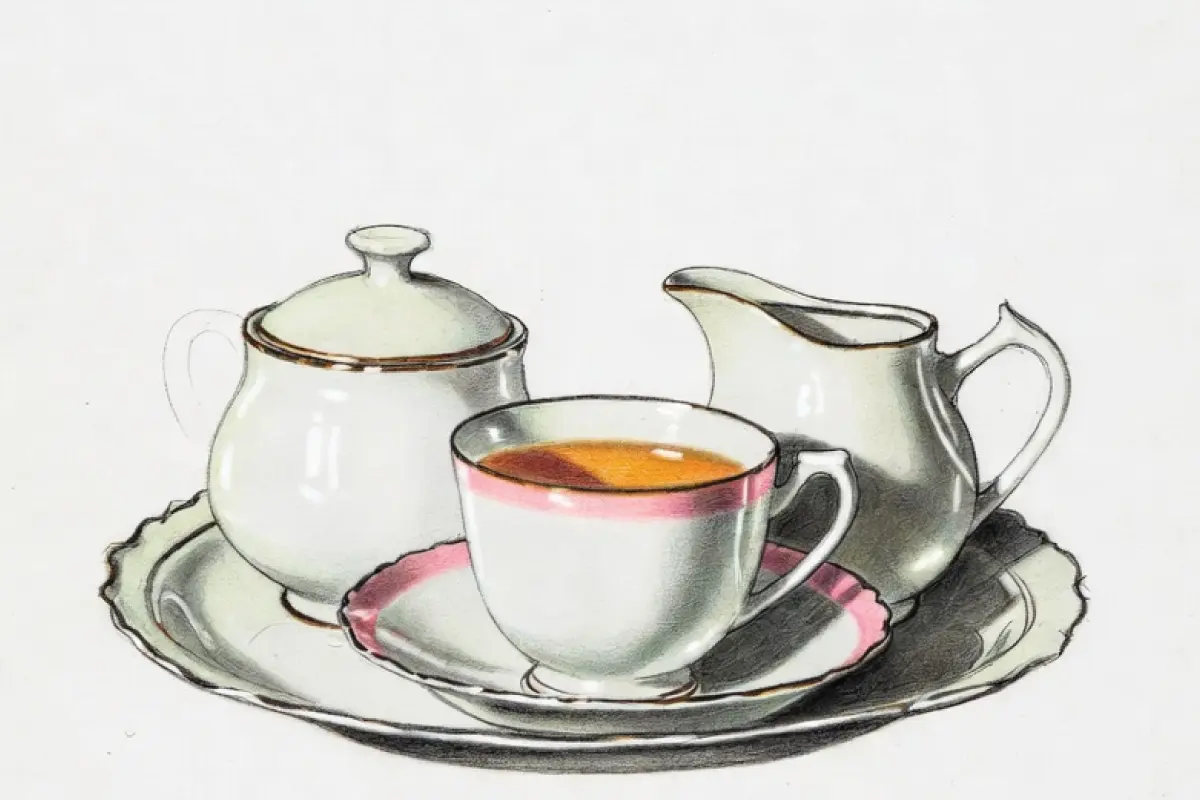
A New England Nun by Mary E. Wilkins Freeman (1891). Welcome to the Leveled Lit Classics Library (LLCL), a platform made by a teacher for teachers that makes timeless classical literature accessible to students and meets them at their reading level. Each title in the library has a comprehensive companion study guide and lesson plan designed for 1–2 days of instruction.
A New England Nun by Mary E. Wilkins Freeman (1891) can work across secondary classrooms when teachers match the text version to student reading readiness. LLCL offers Original, Leveled, and Accessible paths into the same story so classes can stay aligned on character, setting, and theme.
Teachers often find that students expect a dramatic plot, but this story does its work through quiet routine, social expectation, and one woman’s private realization about the life she wants.
Use the Original when students are ready for Freeman’s restrained style and careful detail; use the Leveled or Accessible version when you want the emotional stakes and central choice to stay visible.
| Version | Reading profile | Best classroom use |
|---|---|---|
| Original | FKGL 7.7 • 4,900 words | Best for stronger readers and full-text literary analysis. |
| Leveled | FKGL 6.2 • 3,400 words | Best for accessibility, differentiation, and shared whole-class pacing. |
Students may initially think 'nothing happens' unless teachers help them see how routine and setting reveal Louisa’s priorities.
The story depends on indirect characterization rather than overt confrontation.
Historical expectations around marriage and women’s independence matter for full comprehension.
This story is classroom-appropriate for most secondary settings, but it benefits from direct framing around marriage expectations, gender roles, and personal autonomy in the late nineteenth century.
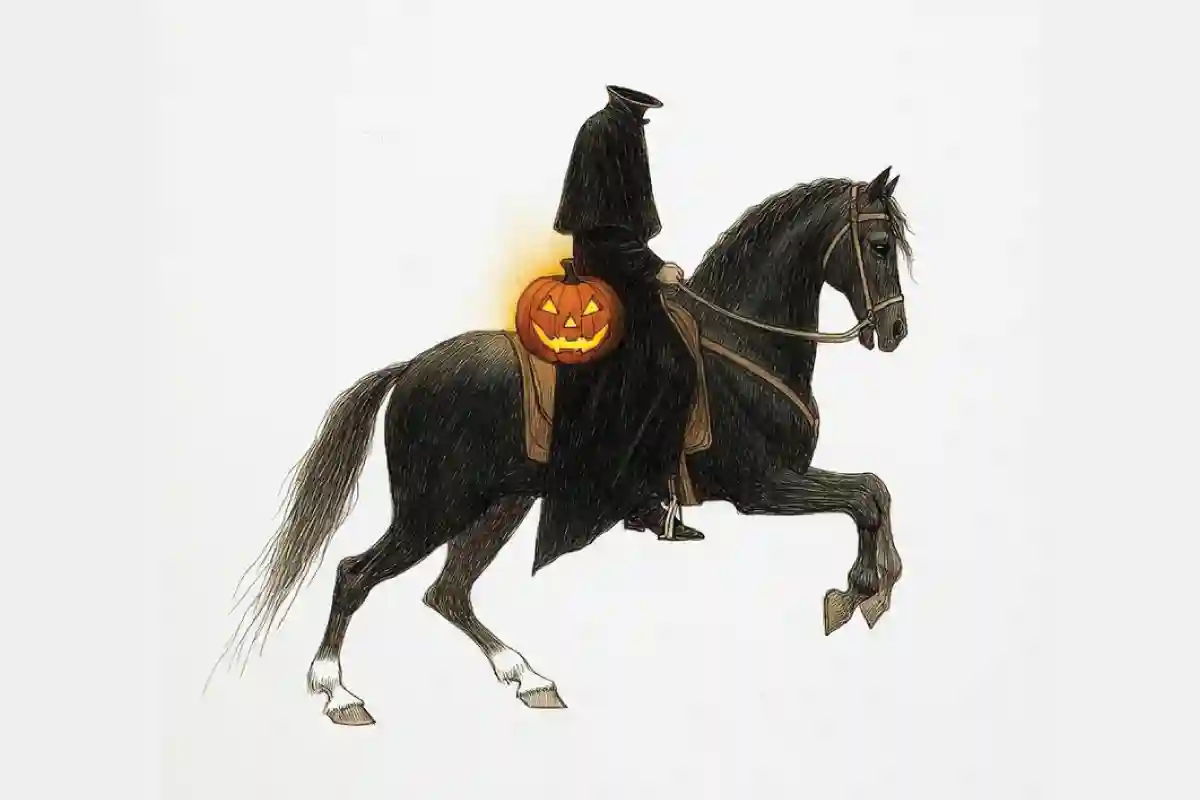
Need a same-grade-band free option? The Legend of Sleepy Hollow is a useful companion title for planning pacing and support.
Students often struggle because the conflict is inward rather than dramatic. The story asks them to read habits, objects, and routine as evidence of character and choice.
It is strong for realism, characterization, and discussions about independence, obligation, and how social norms shape private decisions.
Use those versions when students need the emotional stakes and character shift to stay more visible while still working with the same core text and themes.