Choose Original when...
- students can handle nonlinear structure and re-reading
- you want to analyze narration, symbolism, and Southern Gothic features
- discussion will focus on time, memory, and social change
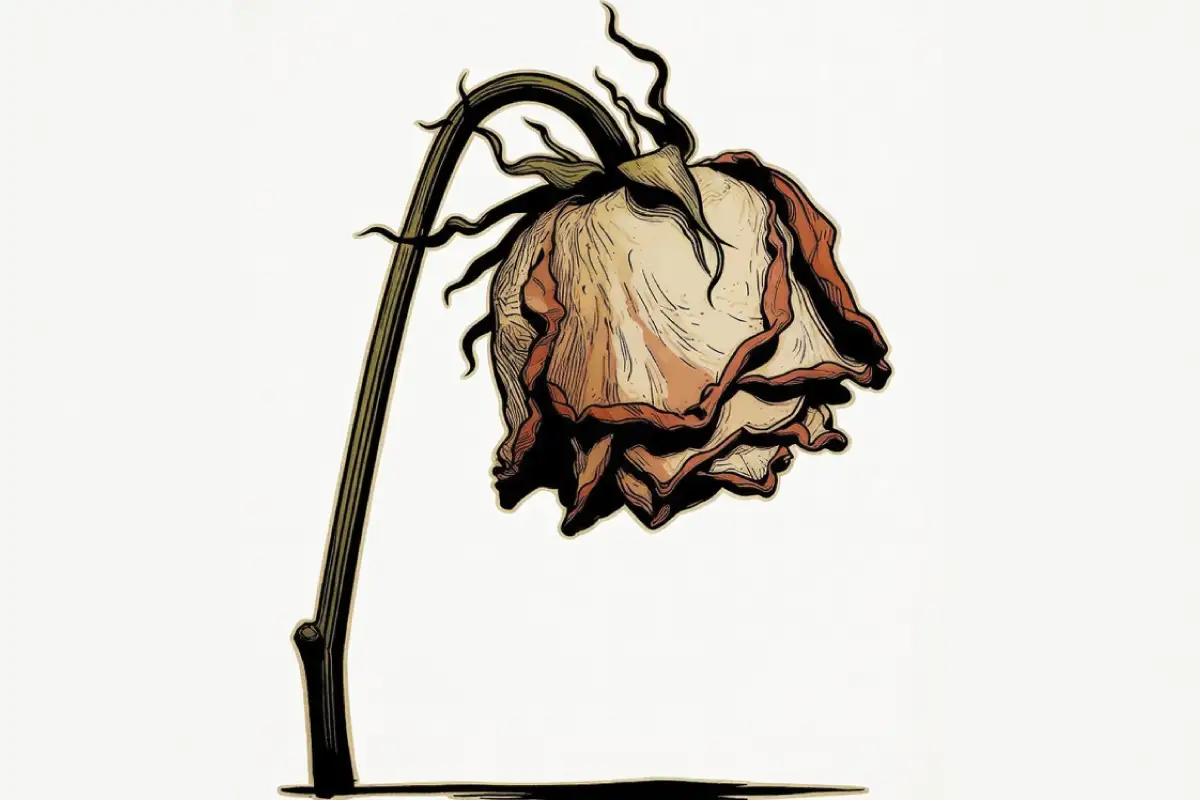
A Rose for Emily by William Faulkner (1930). Welcome to the Leveled Lit Classics Library (LLCL), a platform made by a teacher for teachers that makes timeless classical literature accessible to students and meets them at their reading level. Each title in the library has a comprehensive companion study guide and lesson plan designed for 1–2 days of instruction.
A Rose for Emily by William Faulkner (1930) can work across secondary classrooms when teachers match the text version to student reading readiness. LLCL offers Original, Leveled, and Accessible paths into the same story so classes can stay aligned on plot, structure, and discussion.
Teachers often find that students get lost in Faulkner’s nonlinear structure and communal narration before they can make sense of Emily as a character or the story’s final revelation.
Use the Original when students are ready to reconstruct the timeline and analyze Faulkner’s narration; use the Leveled or Accessible version when you want plot sequence, Southern Gothic atmosphere, and class discussion to stay clearer.
| Version | Reading profile | Best classroom use |
|---|---|---|
| Original | FKGL 8.3 • 3,700 words | Best for stronger readers and full-text literary analysis. |
| Leveled | FKGL 6.2 • 2,600 words | Best for accessibility, differentiation, and shared whole-class pacing. |
Students often need help rebuilding the timeline because the story’s structure moves through memory rather than straight chronology.
The narrator speaks as a town community, which can make point of view and bias harder to track.
The ending changes how many earlier details are interpreted, so discussion works best when students revisit the story after the reveal.
A Rose for Emily includes death, corpse imagery, coercive family control, and implied necrophilia. It is best taught with direct framing and careful discussion expectations.
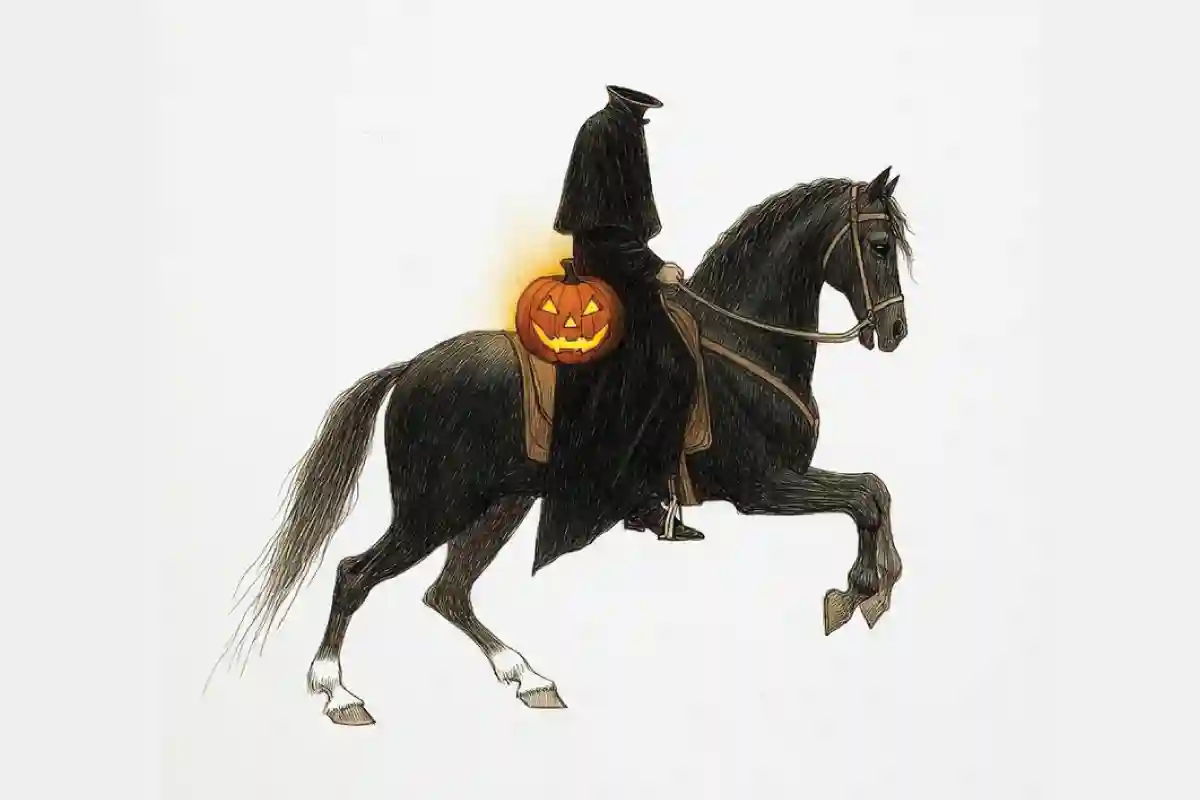
Need a same-grade-band free option? The Legend of Sleepy Hollow is a useful companion title for planning pacing and support.
Most students struggle first with the structure, not the vocabulary. Until they rebuild the timeline, the character work and final reveal stay confusing.
Those versions help students keep the sequence and key clues straight, which makes later discussion about symbolism and narration much stronger.
It can do both, but it is especially strong for literary analysis once students understand the timeline and the narrator’s role.