Choose Original when...
- Best when students are ready for the full narrative pacing and moral weight of Tolstoy’s prose.
- Useful for close reading of escalation, consequence, and author perspective.
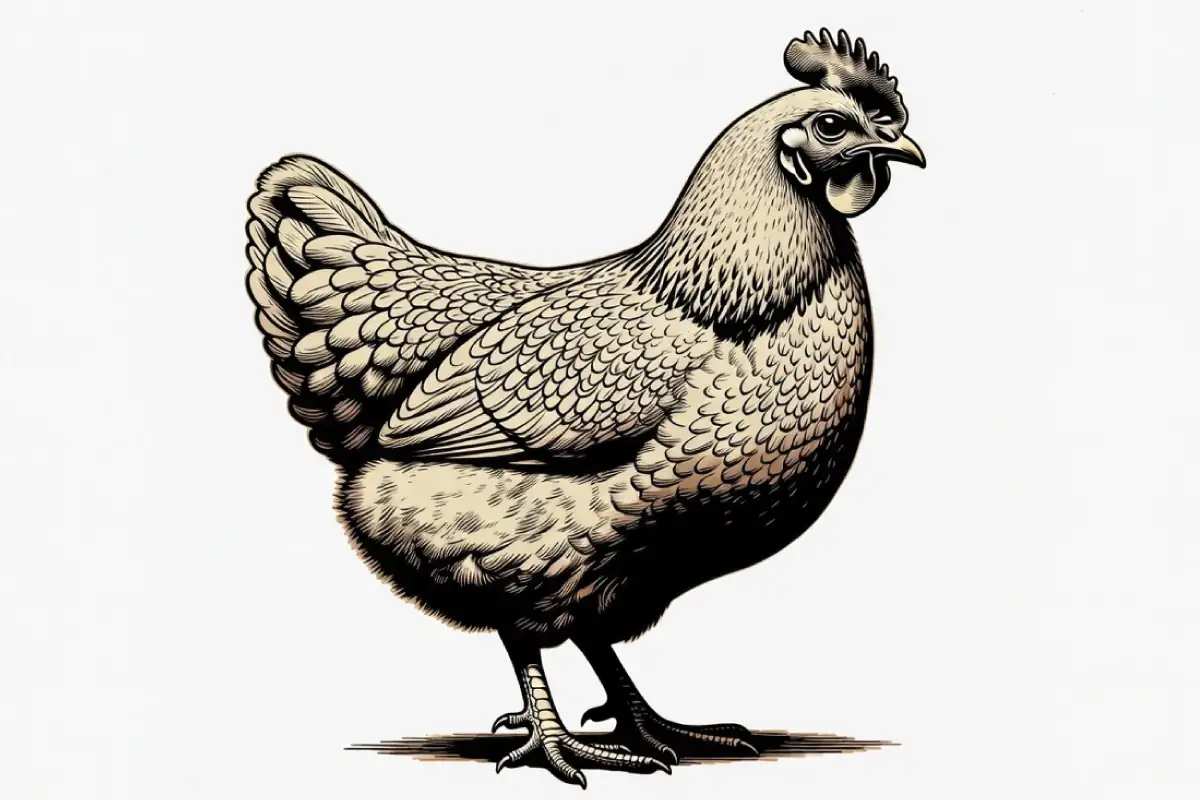
A Spark Neglected Burns the House by Leo Tolstoy (1885). Welcome to the Leveled Lit Classics Library (LLCL), a platform made by a teacher for teachers that makes timeless classical literature accessible to students and meets them at their reading level. Each title in the library has a comprehensive companion study guide and lesson plan designed for 1–2 days of instruction.
A Spark Neglected Burns the House can work well in middle school when teachers want a short text with strong cause-and-effect structure, conflict escalation, and a clear moral center. LLCL offers Original, Leveled, and Accessible paths into the same story so classes can stay aligned on theme, conflict, and consequence.
Teachers often need a short story that is substantial enough for close reading but manageable enough for one or two class periods, especially when class reading levels vary widely.
Use the Original when students are ready for Tolstoy’s fuller syntax and pacing, the Leveled version when you want clearer whole-class access, and the Accessible version when the goal is strong story access with the lowest barrier to entry.
| Version | Reading profile | Best classroom use |
|---|---|---|
| Original | FKGL 5.1 • 5,800 words | Best for stronger readers and full-text literary analysis. |
| Leveled | FKGL 4.3 • 2,700 words | Best for accessibility, differentiation, and shared whole-class pacing. |
Students need to track how a small argument becomes a much larger disaster through a chain of avoidable choices.
The Original version can feel denser than its short length suggests because the moral pressure builds through narration rather than action alone.
The story works best when students stop to explain exactly where the conflict could have been interrupted.
The story centers on anger, stubbornness, and the destruction caused by a spreading fire. It is highly teachable for middle school, but it works best when students are asked to identify the key turning points where the disaster could have been prevented.
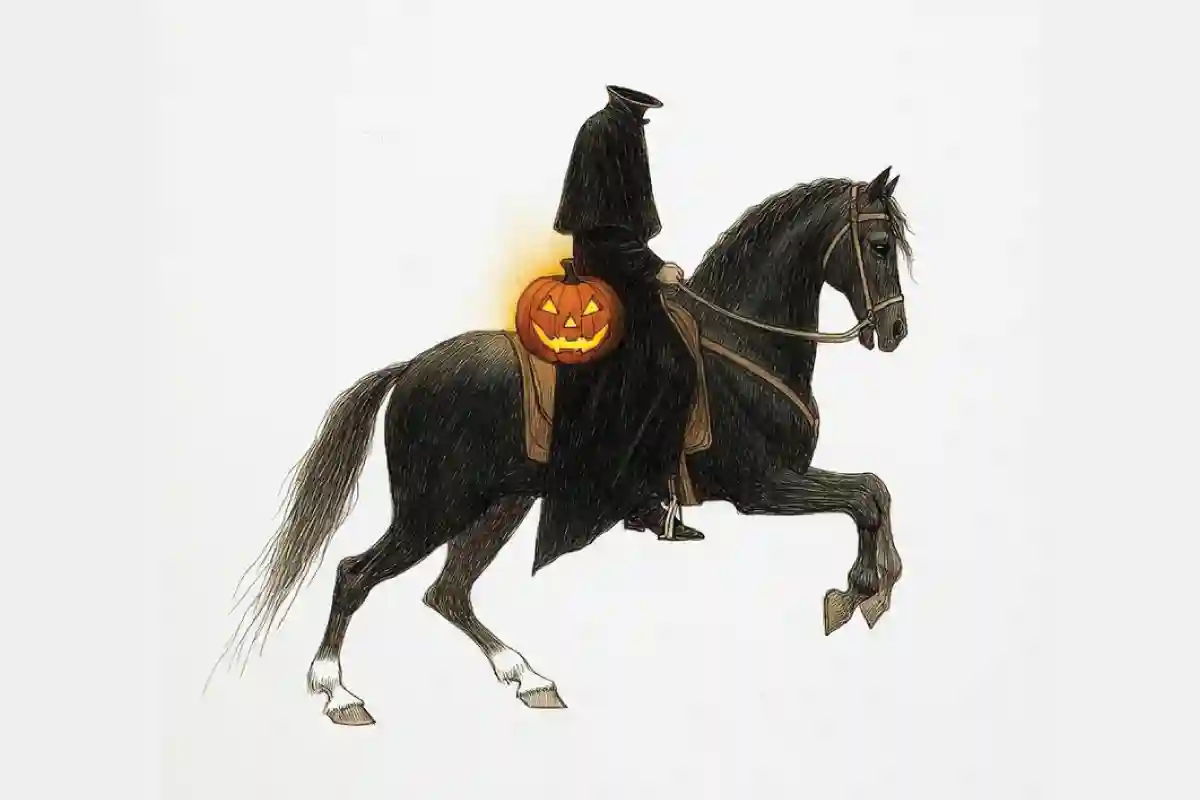
Need a same-grade-band free option? The Legend of Sleepy Hollow is a useful companion title for planning pacing and support.
Yes. Its short length makes it manageable, but the conflict escalation and moral consequence give teachers enough depth for discussion, writing, and text evidence work.
Choose the Accessible version when the class needs the clearest possible route into the plot before moving into discussion of conflict, blame, and consequence.
It is especially strong for cause and effect, conflict escalation, theme, moral reasoning, and citing the turning point where a small problem becomes a major one.