Choose Original when...
- students are ready for slower descriptive prose
- you want close work with symbolism, setting, and moral choice
- discussion will focus on ethics and point of view
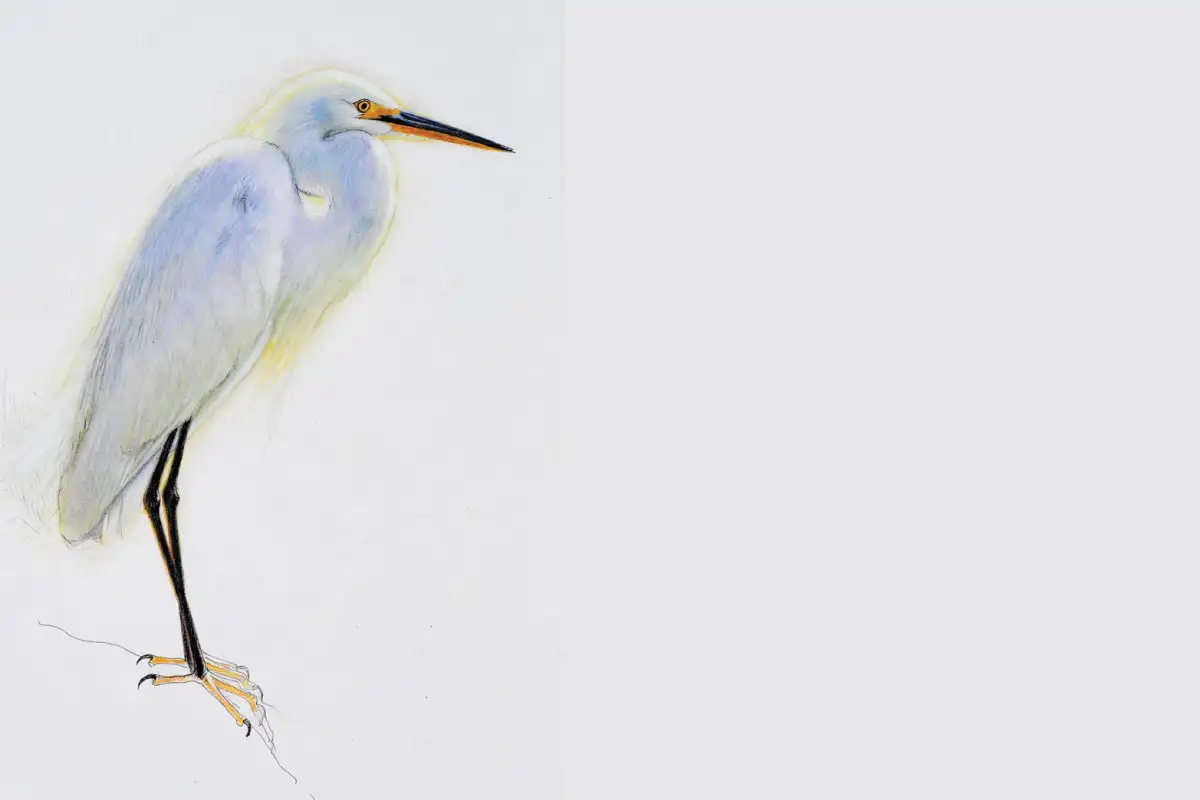
A White Heron by Sarah Orne Jewett (1886). Welcome to the Leveled Lit Classics Library (LLCL), a platform made by a teacher for teachers that makes timeless classical literature accessible to students and meets them at their reading level. Each title in the library has a comprehensive companion study guide and lesson plan designed for 1–2 days of instruction.
A White Heron by Sarah Orne Jewett (1886) can work across secondary classrooms when teachers match the text version to student reading readiness. LLCL offers Original, Leveled, and Accessible paths into the same story so classes can stay aligned on theme, setting, and discussion.
Teachers often want students to see Sylvia’s final choice as an ethical decision rather than a simple 'nature story,' but the power of that choice depends on close attention to setting and point of view.
Use the Original when students are ready for Jewett’s descriptive prose and subtle moral tension; use the Leveled or Accessible version when you want the environmental and ethical conflict to stay more visible.
| Version | Reading profile | Best classroom use |
|---|---|---|
| Original | FKGL 9.1 • 4,300 words | Best for stronger readers and full-text literary analysis. |
| Leveled | FKGL 4.8 • 3,100 words | Best for accessibility, differentiation, and shared whole-class pacing. |
Students may overlook the story’s ethical tension if they read the setting only as background rather than as part of Sylvia’s thinking.
Jewett’s descriptive passages reward slow reading and discussion about what the heron represents.
The ending is strongest when students are asked to justify Sylvia’s choice with evidence from the text.
A White Heron is generally classroom-appropriate, but it is most valuable when framed around ethical choice, environmental values, and how setting shapes meaning rather than treated as a simple plot story.
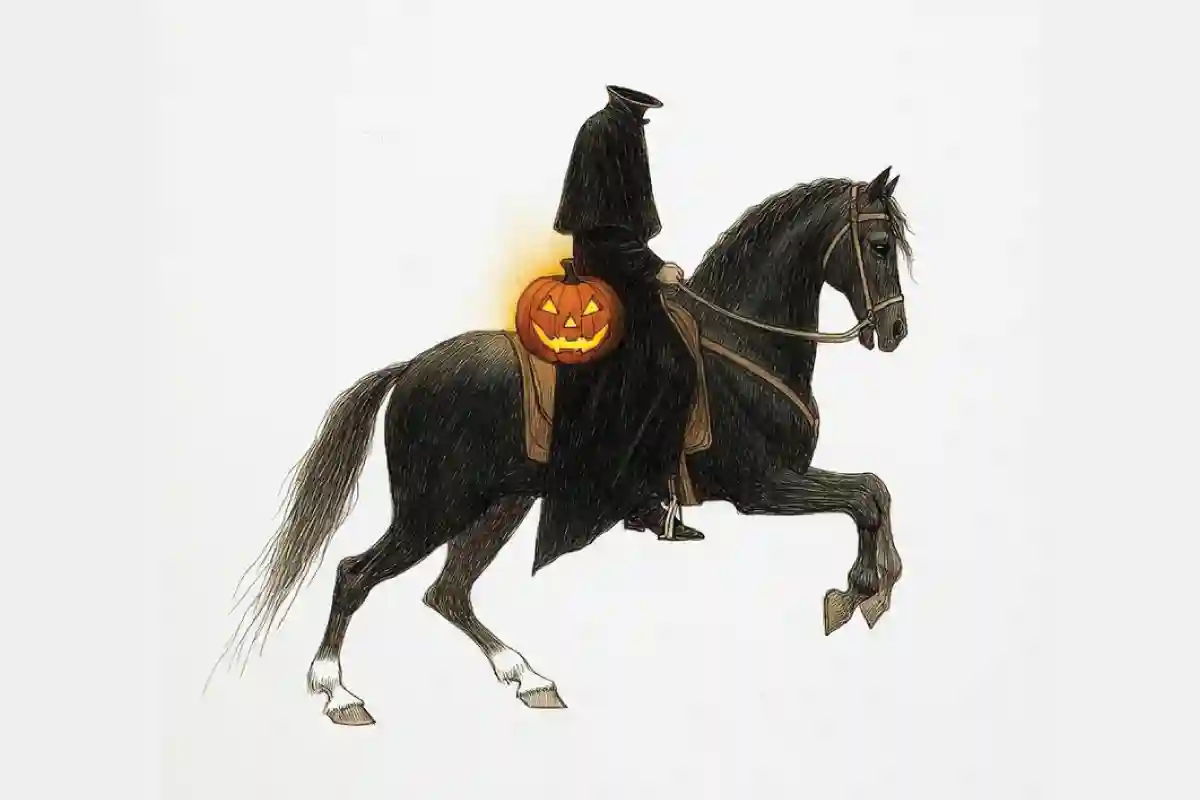
Need a same-grade-band free option? The Legend of Sleepy Hollow is a useful companion title for planning pacing and support.
It gives teachers a compact way to teach symbolism, setting, ethical choice, and character through a text that looks simple at first but opens up in discussion.
Students sometimes focus on whether Sylvia was 'right' or 'wrong' without first understanding what the heron and the woods mean to her.
Use it when students need the ethical conflict and ending made more visible before you move into symbolism and evidence-based discussion.