Aesop’s Fables — Week 2: Honesty, Trust & Deception Reading Level, Grade Level, and Best Classroom Version
Aesop’s Fables — Week 2: Honesty, Trust & Deception by Aesop (600). Welcome to the Leveled Lit Classics Library (LLCL), a platform made by a teacher for teachers that makes timeless classical literature accessible to students and meets them at their reading level. Each title in the library has a comprehensive companion study guide and lesson plan. This five-part fable set is designed for daily reading, discussion, and skill practice across a short instructional sequence.
Browse more classics for Grades 3–5
Challenges Teachers Face
Aesop’s Fables — Week 2: Honesty, Trust & Deception can work especially well in upper elementary classrooms when teachers want repeated practice with short texts around honesty, trust & deception. LLCL offers Original and Leveled paths into the same weekly set so classes can stay aligned on theme, discussion, and written response.
Teachers often need short texts that help students talk about honesty, broken trust, and deception without losing the room in long readings.
Use the Original when students are ready to track irony and tone in traditional phrasing; use the Leveled version when you want cleaner access to the weekly theme and faster comprehension.
Reading level and text complexity at a glance
| Version | Reading profile | Best classroom use |
|---|
| Original |
FKGL 9.3 • 2,800 words |
Best for stronger readers and full-text literary analysis. |
| Leveled |
FKGL 4.6 • 2,500 words |
Best for accessibility, differentiation, and shared whole-class pacing. |
When should teachers choose the Original or Leveled version?
Choose Original when...
- Best when students are ready to notice traditional phrasing and discuss subtle differences across fables.
- Useful for close reading, moral inference, and comparing how similar story structures produce different lessons.
- A strong fit for classes that can handle brief but less familiar wording without losing meaning.
Choose Leveled when...
- Best when you want more students reading independently without losing the week’s central theme.
- Supports faster comprehension, smoother daily routines, and stronger access for mixed-readiness classes.
- Helpful when the instructional goal is discussion, writing, and cross-text comparison rather than old-fashioned phrasing.
Why can Aesop’s Fables — Week 2: Honesty, Trust & Deception feel difficult for some students?
ironydeceptionimplied motivesolder phrasing
Students may follow the plot but still miss where deceit changes the meaning of the story.
Some fables depend on irony, so readers need help connecting words, motives, and outcomes.
Because the cast changes quickly from story to story, students benefit from routines that compare trust and deception across texts.
Content and classroom-fit considerations
This set is appropriate for elementary classrooms, but many stories involve lying, betrayal, or foolish choices, so it works best when paired with explicit discussion about motive and consequence.
Same-grade-band free title example
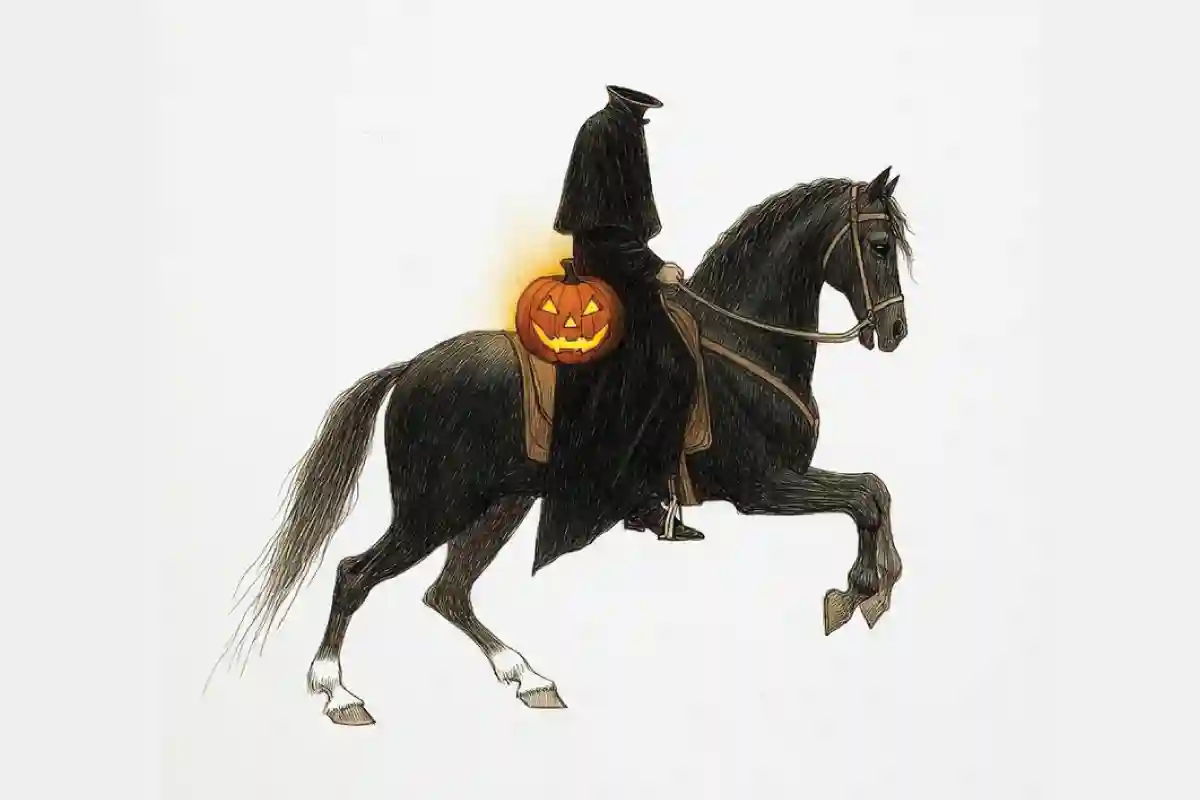
The Legend of Sleepy Hollow
Need a same-grade-band free option? The Legend of Sleepy Hollow is a useful companion title for planning pacing and support.
FAQ
Can students read these fables independently?
Many Grades 3–5 students can, especially in the Leveled version. The strongest results usually come when teachers pair independent reading with quick evidence-based discussion.
When should teachers choose the Leveled version?
Choose the Leveled version when you want more independent success, faster comprehension, and stronger whole-class participation without changing the weekly theme focus.
What skills does this set support best?
This set is especially useful for theme, moral inference, evidence-based discussion, and cross-text comparison around honesty, trust & deception.