Choose Original when...
- students can handle dense narration and ambiguity
- you want close analysis of the narrator’s voice and moral evasions
- discussion will focus on symbolism, labor, and interpretation
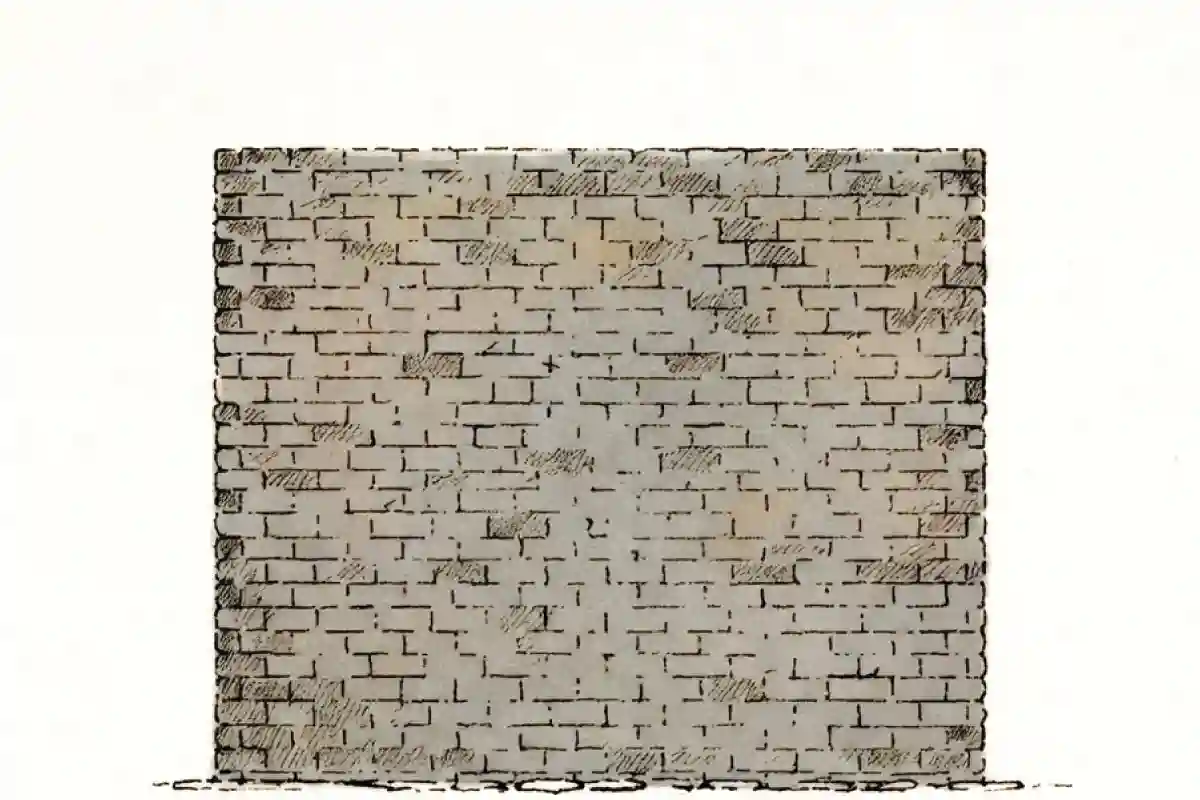
Bartleby, the Scrivener by Herman Melville (1853). Welcome to the Leveled Lit Classics Library (LLCL), a platform made by a teacher for teachers that makes timeless classical literature accessible to students and meets them at their reading level. Each title in the library has a comprehensive companion study guide and lesson plan designed for 1–2 days of instruction.
Bartleby, the Scrivener by Herman Melville (1853) can work across secondary classrooms when teachers match the text version to student reading readiness. LLCL offers Original, Leveled, and Accessible paths into the same text so classes can stay aligned on character, theme, and discussion.
Teachers often want students to grapple with Bartleby as more than a strange office employee, but the story’s humor, ambiguity, and moral pressure can feel abstract unless the reading path is carefully chosen.
Use the Original when students are ready for Melville’s narration and philosophical ambiguity; use the Leveled or Accessible version when you want the central conflict, office dynamics, and ethical questions to stay clearer.
| Version | Reading profile | Best classroom use |
|---|---|---|
| Original | FKGL 8.9 • 14,500 words | Best for stronger readers and full-text literary analysis. |
| Leveled | FKGL 5.1 • 10,100 words | Best for accessibility, differentiation, and shared whole-class pacing. |
Students often need help distinguishing what Bartleby does from what the narrator assumes or interprets about him.
The story’s office setting and repetitive refusals can seem simple on the surface but open into bigger questions about work, authority, and compassion.
Discussion works best when students are pushed to support competing interpretations with evidence.
Bartleby, the Scrivener is usually classroom-appropriate, but its strongest use comes when teachers are ready to frame alienation, mental distress, work, and moral responsibility directly rather than treating it as a simple odd-character story.
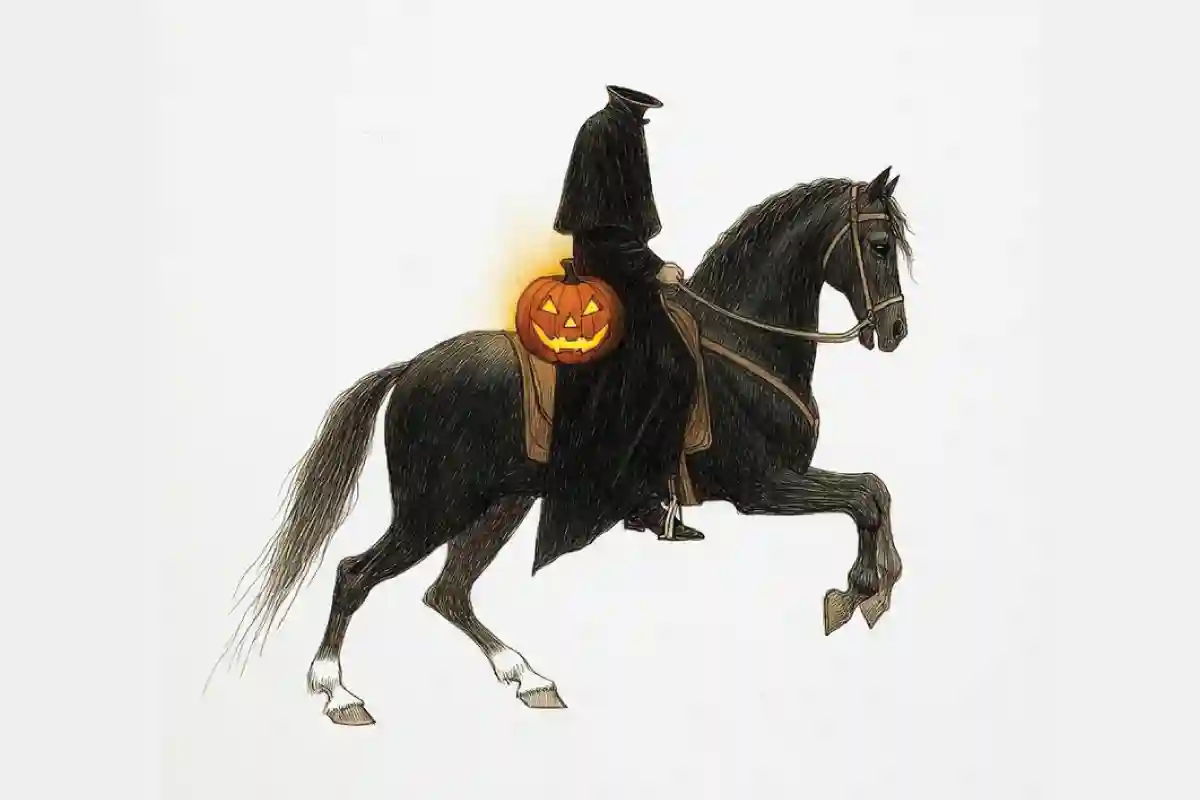
Need a same-grade-band free option? The Legend of Sleepy Hollow is a useful companion title for planning pacing and support.
The difficulty is usually not plot but ambiguity. Students have to sit with uncertainty about Bartleby while also judging the narrator’s choices.
It opens productive discussion about work, authority, compassion, avoidance, and how narrators shape our interpretation of events.
Use those versions when students need the conflict and ethical stakes held clearly in view before you ask them to wrestle with the story’s ambiguity.