Choose Original when...
- Best for students ready to work with the author’s full style, syntax, and tone.
- Strong choice when close reading and original diction matter most.
- Useful when students can sustain the text without losing momentum.

Berenice by Edgar Allan Poe (1835). Welcome to the Leveled Lit Classics Library (LLCL), a platform made by a teacher for teachers that makes timeless classical literature accessible to students and meets them at their reading level. Each title in the library has a comprehensive companion study guide and lesson plan designed for 1–2 days of instruction.
Berenice by Edgar Allan Poe (1835) can work across secondary classrooms when teachers match the text version to student reading readiness. LLCL offers Original, Leveled, and Accessible paths into the same story so classes can stay aligned on plot, tone, and discussion.
Teachers often use Berenice for Gothic obsession and unreliable thinking, but students may need support with its disturbing fixation and dense narrator introspection.
Use the Original when students are ready for Poe’s full psychological intensity; use the Leveled or Accessible version when you want students focused on obsession, fixation, and unreliable narration without losing the core arc.
| Version | Reading profile | Best classroom use |
|---|---|---|
| Original | FKGL 12.4 • 3,200 words | Best for stronger readers and full-text literary analysis. |
| Leveled | FKGL 5.7 • 2,500 words | Best for accessibility, differentiation, and shared whole-class pacing. |
Students can be unsettled by the narrator’s fixation unless the story is framed as a study in obsession and mental distortion.
The narration is reflective and inward, which makes pacing and teacher framing important.
The story becomes more teachable when students track how attention narrows into fixation.
This story includes disturbing psychological content and body-focused obsession, so it is best reserved for classrooms prepared for darker Gothic material and careful framing.
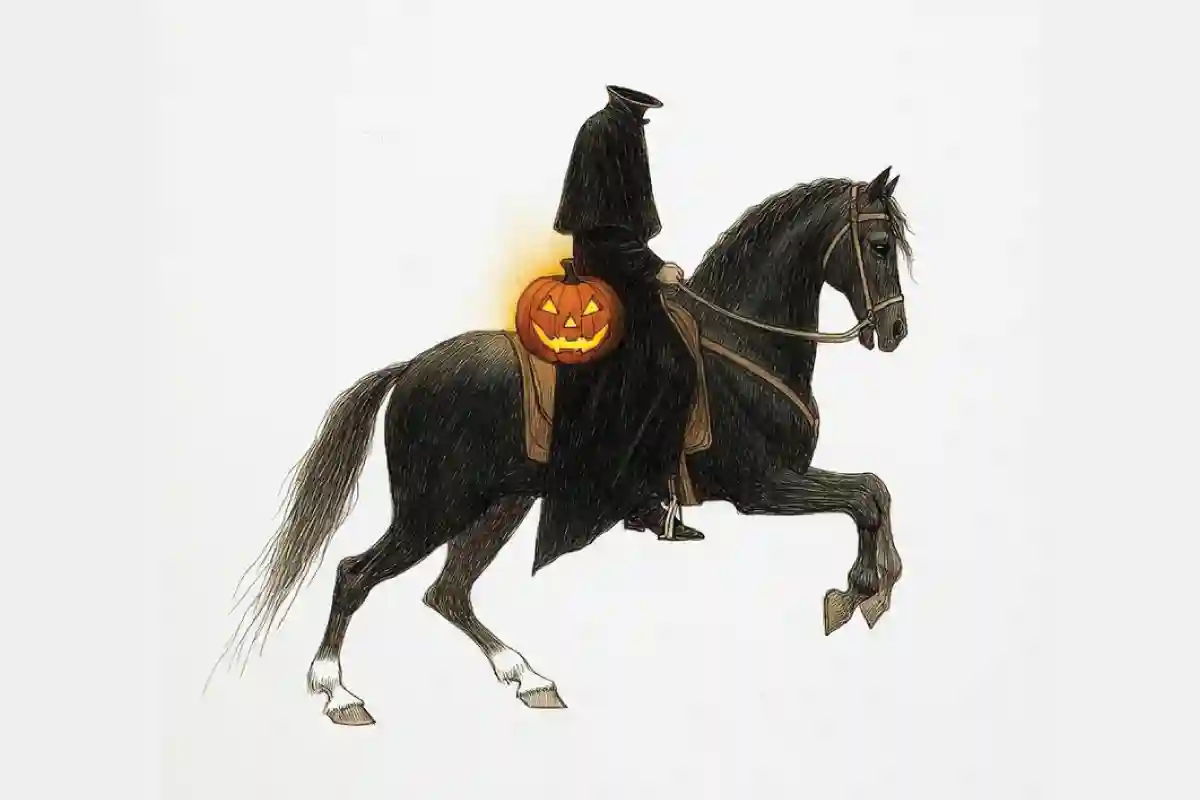
Need a same-grade-band free option? The Legend of Sleepy Hollow is a useful companion title for planning pacing and support.
Not always. It is strongest in classes already prepared for psychological Gothic fiction and discussion of obsession, instability, and unreliable narration.
It is especially useful for studying fixation, unreliable perception, and how Gothic fiction turns inner obsession into horror.
Use it when students need a clearer path into the narrator’s distorted thinking before tackling Poe’s original introspective style.