Choose Original when...
- students can handle layered irony and historical context
- you want to analyze race, power, and the logic of the ending in full
- discussion will focus on social structures as much as plot
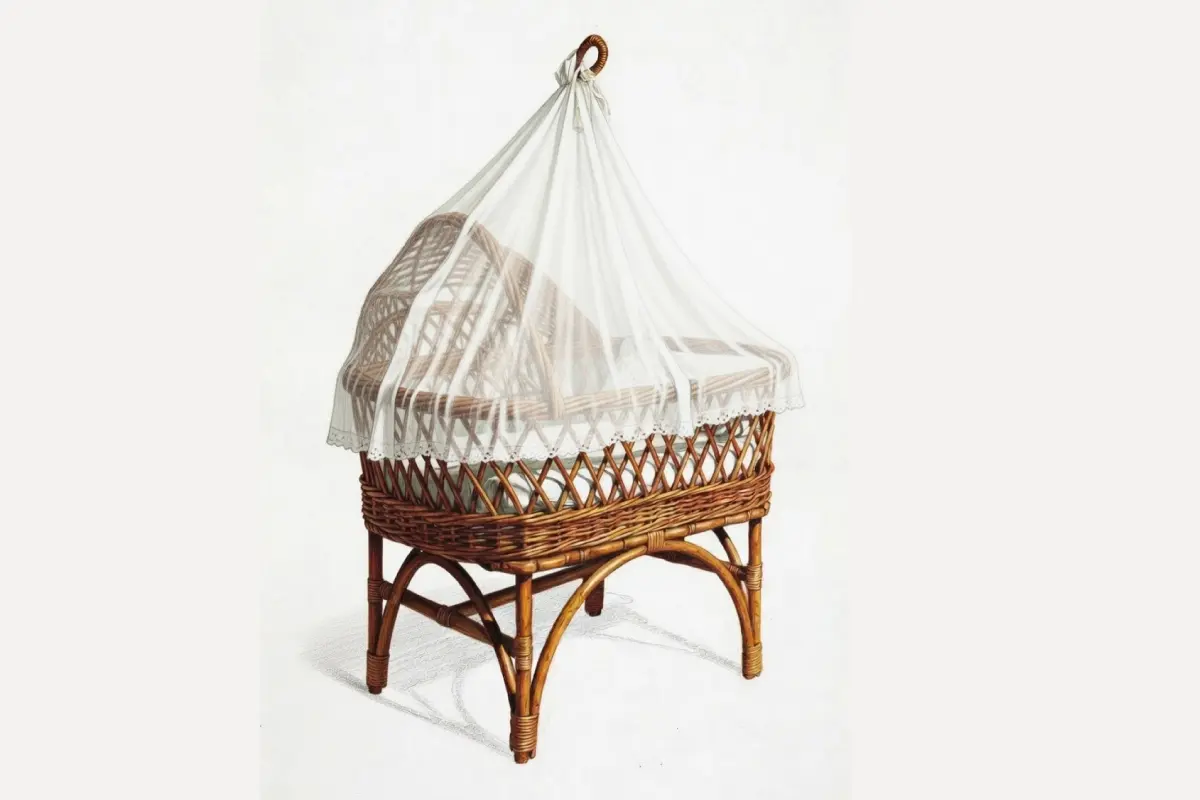
Désirée's Baby by Kate Chopin (1893). Welcome to the Leveled Lit Classics Library (LLCL), a platform made by a teacher for teachers that makes timeless classical literature accessible to students and meets them at their reading level. Each title in the library has a comprehensive companion study guide and lesson plan designed for 1–2 days of instruction.
Désirée's Baby by Kate Chopin (1893) can work across secondary classrooms when teachers match the text version to student reading readiness. LLCL offers Original, Leveled, and Accessible paths into the same story so classes can stay aligned on irony, power, and discussion.
Teachers often want students to recognize that the story’s shock depends on racial hierarchy, social power, and irony—not just on the final reveal.
Use the Original when students are ready for Chopin’s full narrative style and layered irony; use the Leveled or Accessible version when you want the social logic, emotional arc, and ending to stay easier to track.
| Version | Reading profile | Best classroom use |
|---|---|---|
| Original | FKGL 6.4 • 2,200 words | Best for stronger readers and full-text literary analysis. |
| Leveled | FKGL 5 • 1,600 words | Best for accessibility, differentiation, and shared whole-class pacing. |
Students need historical framing to understand why the baby’s appearance creates immediate crisis inside the story’s world.
The story becomes much stronger when students track who has the power to name, judge, and exclude.
The ending should push discussion back onto the earlier assumptions and the structure of the household, not just the twist itself.
Désirée's Baby deals directly with slavery, racism, color hierarchy, rejection, and the implied loss of an infant. It should be taught with explicit historical framing and careful discussion norms.
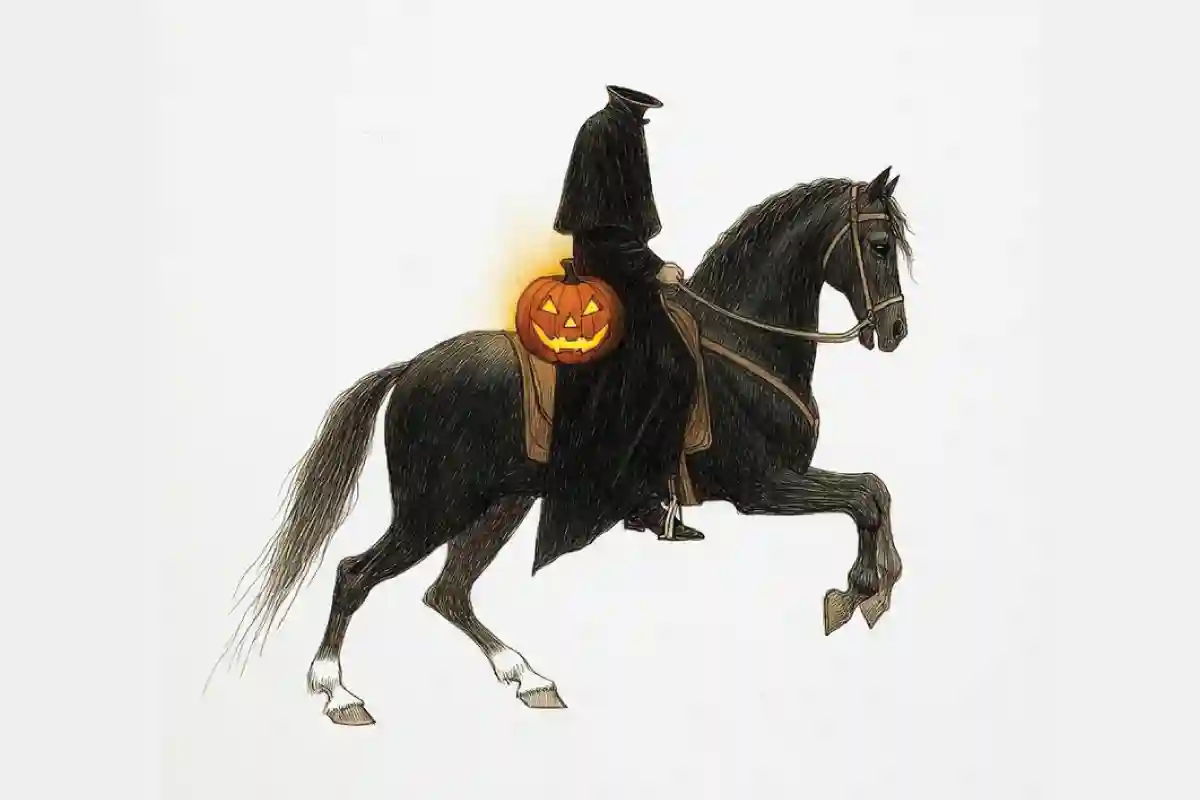
Need a same-grade-band free option? The Legend of Sleepy Hollow is a useful companion title for planning pacing and support.
Students often need more than plot comprehension; they need historical context and help seeing how the ending exposes the racial logic already operating throughout the story.
It is powerful for irony, race, social power, and discussions about who gets to define identity inside an unequal system.
Use it when students need the social stakes and central irony kept visible so class discussion can move beyond the surface plot.