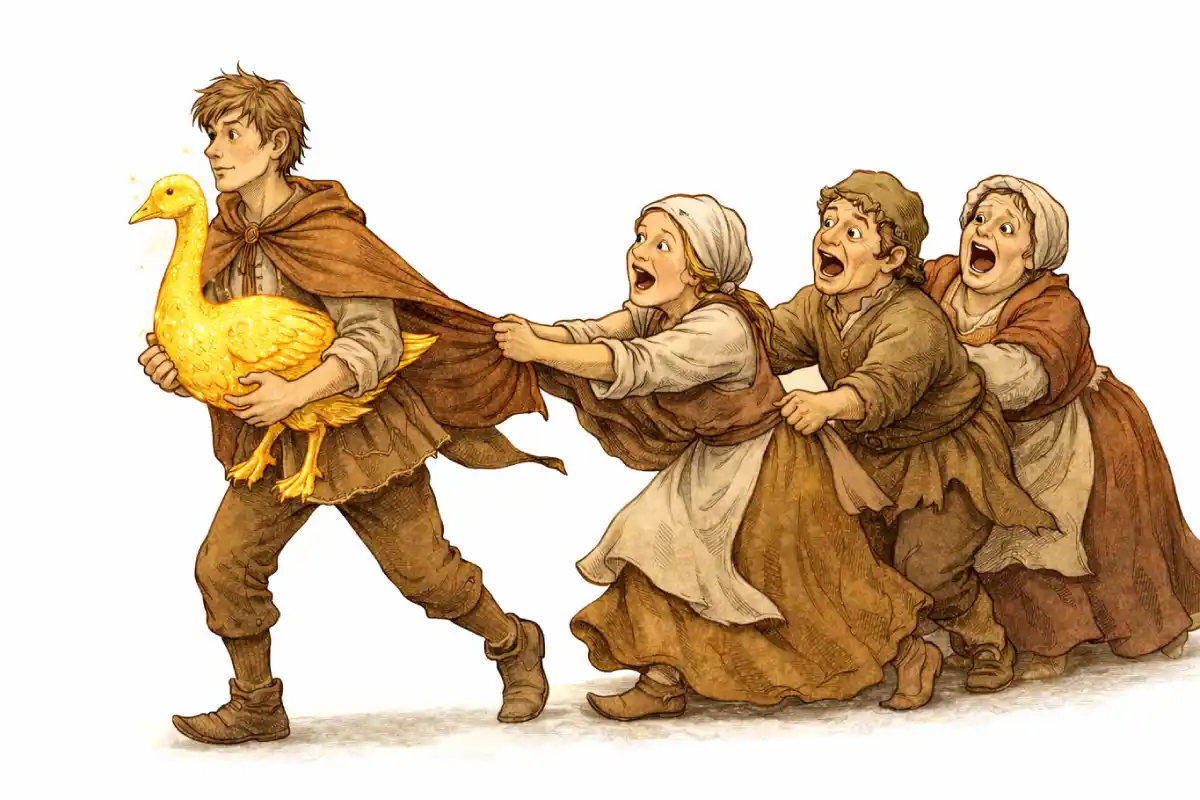
Grimm’s Fairy Tales — Week 3: Clever Heroes, Tests, and Tricks Reading Level, Grade Level, and Best Classroom Version
Grimm’s Fairy Tales — Week 3: Clever Heroes, Tests, and Tricks by Brothers Grimm (1812). Welcome to the Leveled Lit Classics Library (LLCL), a platform made by a teacher for teachers that makes timeless classical literature accessible to students and meets them at their reading level. Each title in the library has a comprehensive companion study guide and lesson plan. This five-part fairy-tale set is designed for daily reading, discussion, and skill practice across a short instructional sequence.
Browse more classics for Grades 3–5
Challenges Teachers Face
Grimm’s Fairy Tales — Week 3: Clever Heroes, Tests, and Tricks can work well in upper elementary classrooms when teachers want a focused folklore set built around clever heroes, tests, and tricks. LLCL offers Original and Leveled paths into the same weekly sequence so classes can stay aligned on story patterns, discussion, and written response.
Teachers often need short texts that help students analyze problem-solving, trickster logic, and repeated test patterns across multiple stories.
Use the Original when students are ready for more complex phrasing and comparison work; use the Leveled version when you want the problem-solving patterns to stay visible for more readers.
Reading level and text complexity at a glance
| Version | Reading profile | Best classroom use |
|---|
| Original |
FKGL 8.3 • 11,200 words |
Best for stronger readers and full-text literary analysis. |
| Leveled |
FKGL 3.3 • 5,800 words |
Best for accessibility, differentiation, and shared whole-class pacing. |
When should teachers choose the Original or Leveled version?
Choose Original when...
- Best when students are ready to compare the Grimm style with later retellings or adaptations.
- Useful for close reading of tone, motif, and repeated fairy-tale patterns across the set.
- A strong fit for classes that can handle older wording without losing story momentum.
Choose Leveled when...
- Best when you want more readers focused on plot, motif, and character choices rather than old-fashioned phrasing.
- Supports smoother independent reading and clearer whole-class discussion across the weekly sequence.
- Helpful when the main goal is pattern recognition, theme work, and compare-and-contrast tasks.
Why can Grimm’s Fairy Tales — Week 3: Clever Heroes, Tests, and Tricks feel difficult for some students?
test pattern recognitiontrickster logicolder phrasinglonger fairy-tale arcs
Students need to track repeated tests, reversals, and clever strategies rather than reading each tale as an isolated event.
Some tales are longer and structurally denser than a typical elementary short text.
Because success often depends on wit rather than strength, weaker readers can miss why a character’s choice matters.
Content and classroom-fit considerations
This set includes threats, bargains, fear-based scenes, and trickery, so it benefits from guided discussion about how folklore creates tension.
Same-grade-band free title example
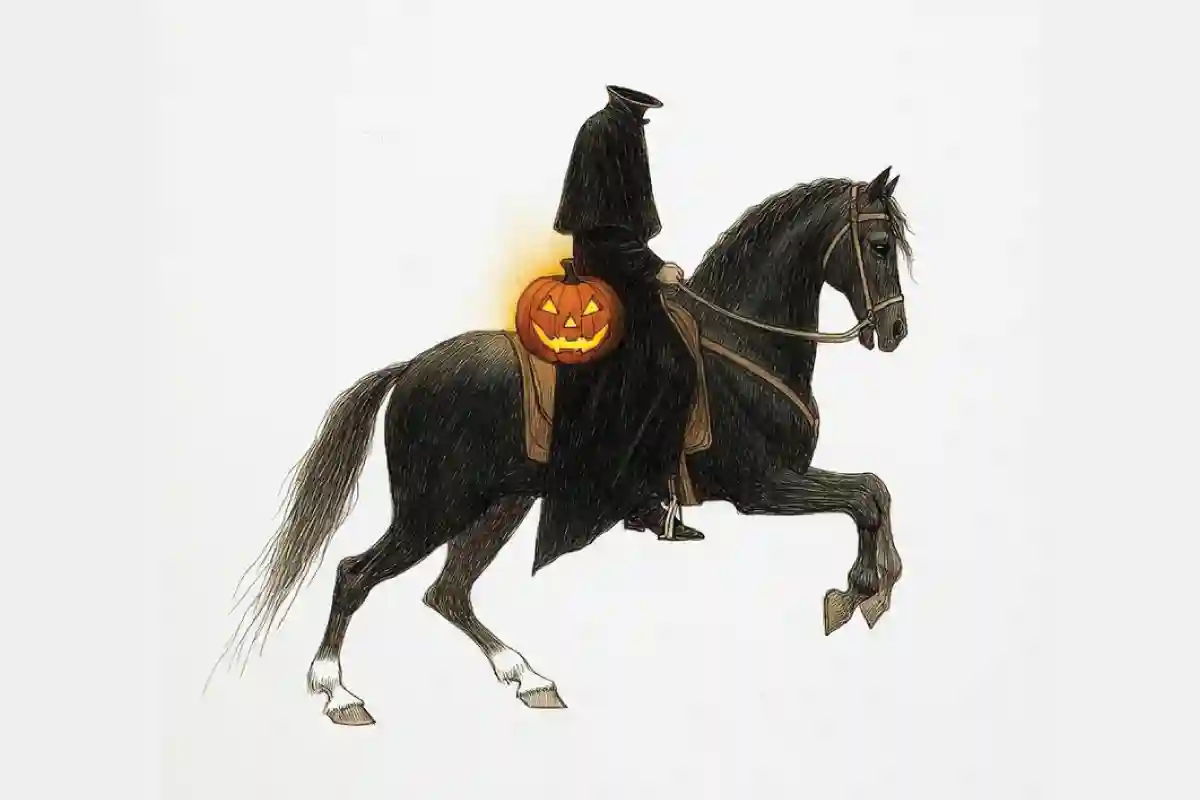
The Legend of Sleepy Hollow
Need a same-grade-band free option? The Legend of Sleepy Hollow is a useful companion title for planning pacing and support.
FAQ
What makes this week especially useful for reading skills?
It is strong for plot structure, repeated pattern recognition, character decision-making, and explaining how clever choices change outcomes.
When should teachers choose the Leveled version?
Choose the Leveled version when you want students focused on tale structure, motif, and theme without spending as much effort on the older language of the Grimm texts.
What does this set support best instructionally?
This set is especially strong for folklore motifs, compare-and-contrast work, plot structure, and theme discussion built around clever heroes, tests, and tricks.