Choose Original when...
- students are ready for ambiguity and narrative distance
- you want to analyze tone, suggestion, and uncertain threat
- discussion will focus on how Conrad builds unease without direct confirmation

Il Conde by Joseph Conrad (1908). Welcome to the Leveled Lit Classics Library (LLCL), a platform made by a teacher for teachers that makes timeless classical literature accessible to students and meets them at their reading level. Each title in the library has a comprehensive companion study guide and lesson plan designed for 1–2 days of instruction.
Il Conde by Joseph Conrad (1908) can work across upper high school classrooms when teachers match the text version to student reading readiness. LLCL offers Original, Leveled, and Accessible paths into the same story so classes can stay aligned on ambiguity, tone, and discussion.
Teachers often want students to notice how Conrad creates unease through charm, suggestion, and uncertainty, but many readers look for a clear external threat and miss how the story works through atmosphere and implication.
Use the Original when students are ready for Conrad’s layered narration and ambiguity; use the Leveled or Accessible version when you want the tension, characterization, and atmosphere to stay easier to track.
| Version | Reading profile | Best classroom use |
|---|---|---|
| Original | FKGL 7.9 • 6,300 words | Best for stronger readers and full-text literary analysis. |
| Leveled | FKGL 8.2 • 4,900 words | Best for accessibility, differentiation, and shared whole-class pacing. |
Students may want the story to become more explicit than it ever does, so teachers need to frame uncertainty as part of the text rather than a problem to solve away.
The tension depends on tone, charm, and suggestion rather than action-heavy plot.
Discussion is strongest when students justify their reading of the Conde with specific details rather than guessing beyond the text.
Il Conde is generally classroom-appropriate for upper high school, but its strongest use comes when teachers frame ambiguity, menace, and narrative uncertainty as deliberate parts of the reading experience.
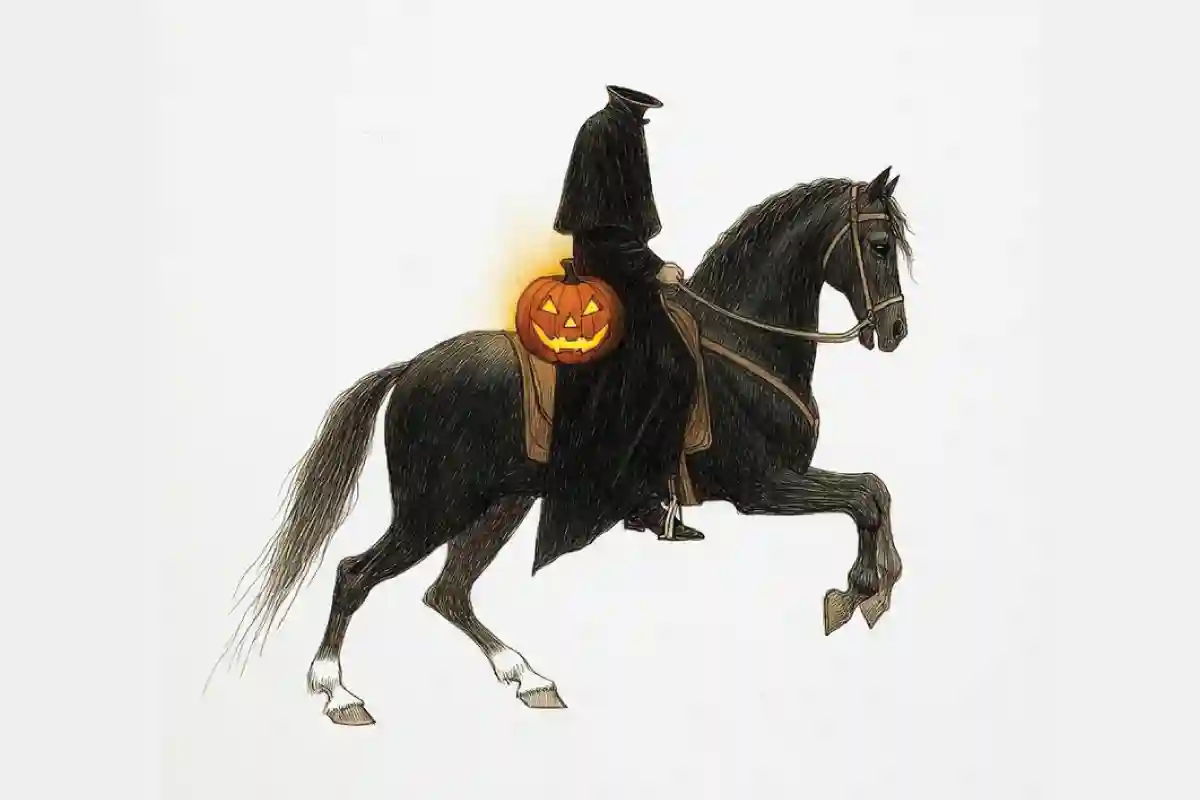
Need a same-grade-band free option? The Legend of Sleepy Hollow is a useful companion title for planning pacing and support.
Because Conrad never gives the kind of full confirmation many readers expect. Students have to work from tone, behavior, and suggestion.
It works especially well for ambiguity, atmosphere, and the difference between what a narrator observes and what a narrator can truly know.
Use it when students need the central tension and implied threat kept more visible before you ask them to analyze Conrad’s ambiguity.