Choose Original when...
- students are ready for subtle irony and close point-of-view work
- you want analysis of characterization through small details
- discussion will focus on loneliness, self-image, and public performance
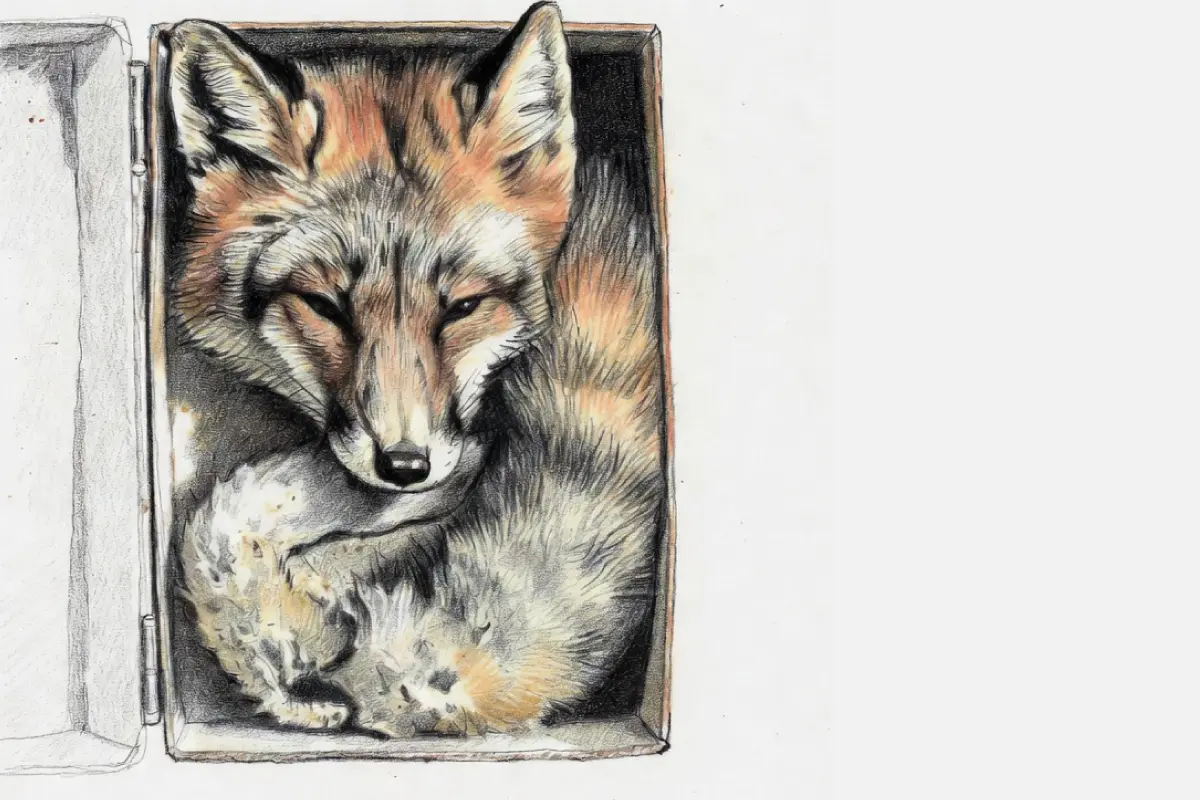
Miss Brill by Katherine Mansfield (1920). Welcome to the Leveled Lit Classics Library (LLCL), a platform made by a teacher for teachers that makes timeless classical literature accessible to students and meets them at their reading level. Each title in the library has a comprehensive companion study guide and lesson plan designed for 1–2 days of instruction.
Miss Brill by Katherine Mansfield (1920) can work across secondary classrooms when teachers match the text version to student reading readiness. LLCL offers Original, Leveled, and Accessible paths into the same story so classes can stay aligned on character, irony, and discussion.
Teachers often find that students can summarize the park scene but miss how Mansfield builds Miss Brill’s self-protective performance and the sting of the ending through small details and point of view.
Use the Original when students are ready for Mansfield’s restraint and irony; use the Leveled or Accessible version when you want Miss Brill’s loneliness, self-fashioning, and final hurt to stay clearer in class discussion.
| Version | Reading profile | Best classroom use |
|---|---|---|
| Original | FKGL 5.6 • 2,000 words | Best for stronger readers and full-text literary analysis. |
| Leveled | FKGL 5.8 • 1,600 words | Best for accessibility, differentiation, and shared whole-class pacing. |
Students often need help seeing that the story’s emotional turn depends on Miss Brill’s self-created role and the moment that role is punctured.
The narration stays close enough to her perspective that students can miss the distance between how she sees herself and how others see her.
Discussion is strongest when students track how Mansfield uses small outward details to reveal inward vulnerability.
Miss Brill is generally classroom-appropriate, but it gains value when teachers frame loneliness, performance, and social cruelty as central interpretive issues rather than treating the story as merely 'sad.'
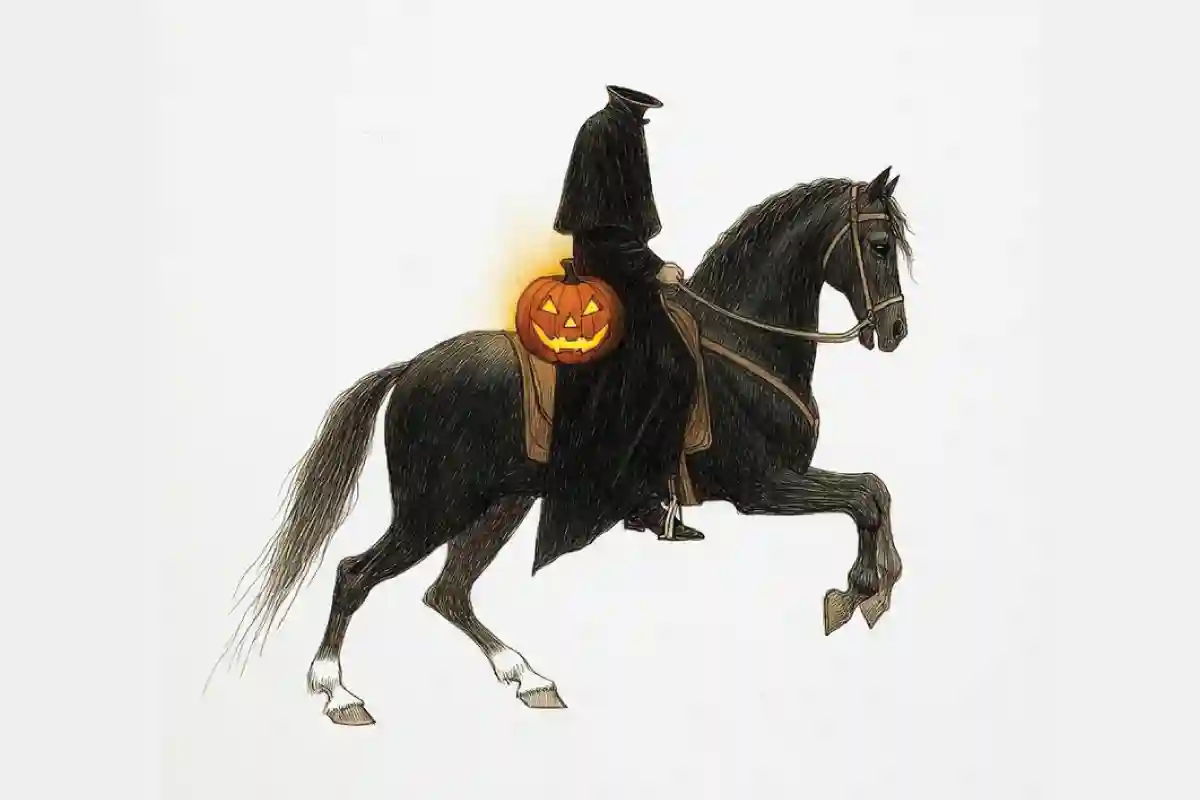
Need a same-grade-band free option? The Legend of Sleepy Hollow is a useful companion title for planning pacing and support.
It gives teachers a compact but powerful text for irony, point of view, and characterization through small details.
Students often need help noticing the gap between Miss Brill’s self-image and what the final encounter reveals.
Use it when students need the emotional shift and irony kept especially clear before deeper discussion of narrative perspective.