Choose Original when...
- Best for students ready to work with the author’s full style, syntax, and tone.
- Strong choice when close reading and original diction matter most.
- Useful when students can sustain the text without losing momentum.
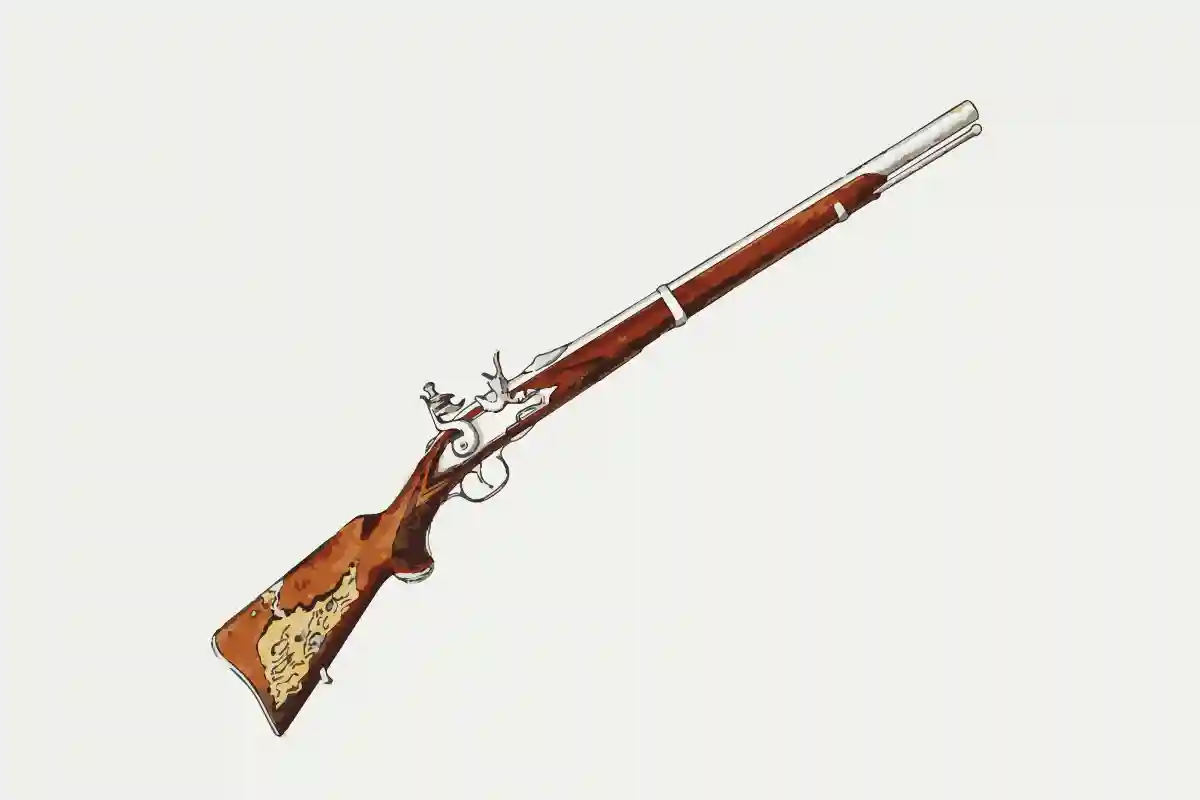
Rip Van Winkle by Washington Irving (1819). Welcome to the Leveled Lit Classics Library (LLCL), a platform made by a teacher for teachers that makes timeless classical literature accessible to students and meets them at their reading level. Each title in the library has a comprehensive companion study guide and lesson plan designed for 1–2 days of instruction.
Rip Van Winkle by Washington Irving (1819) can work across secondary classrooms when teachers match the text version to student reading readiness. LLCL offers Original, Leveled, and Accessible paths into the same story so classes can stay aligned on plot, tone, and discussion.
Teachers often need to decide whether Rip Van Winkle works best as early American folklore, satire, or historical transition text—and whether students can handle Irving’s sentence structure independently.
Use the Original when students are ready to track Irving’s full narration and satire; use the Leveled or Accessible version when you want stronger access to the story, historical shift, and class discussion in a shorter window.
| Version | Reading profile | Best classroom use |
|---|---|---|
| Original | FKGL 11.4 • 6,200 words | Best for stronger readers and full-text literary analysis. |
| Leveled | FKGL 5.5 • 4,800 words | Best for accessibility, differentiation, and shared whole-class pacing. |
Students can miss the joke and irony if they focus only on plot without noticing the narrator’s tone.
References to pre- and post-Revolution America often require quick background framing.
Irving’s sentence structure can slow independent reading, especially for students who need shorter narrative units.
This story is classroom-friendly for most secondary settings, but it works best when teachers briefly frame the historical change from colonial to post-Revolution America and point out the text’s satirical tone.
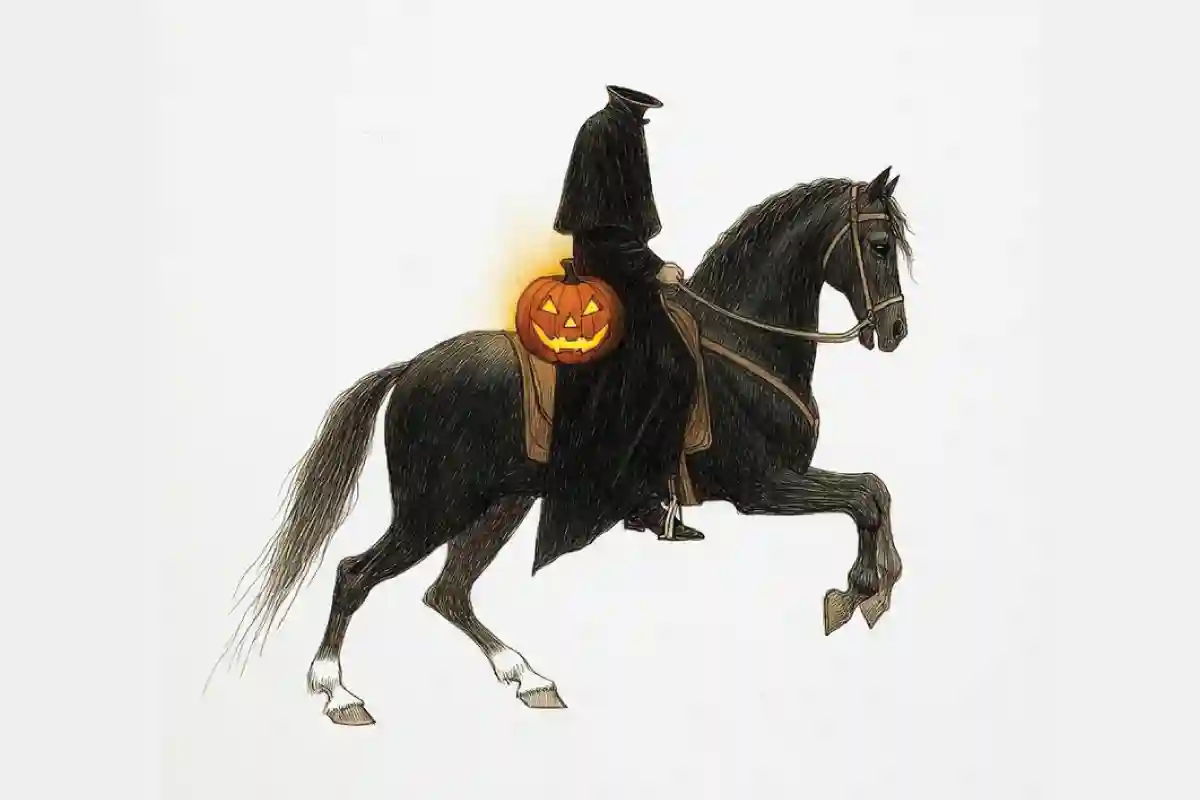
Need a same-grade-band free option? The Legend of Sleepy Hollow is a useful companion title for planning pacing and support.
For many students, the Original can be slow as an independent read because of the sentence structure and narrative tone. The Leveled or Accessible version is often the better entry point when class time is tight.
It is especially strong for teaching satire, narrator voice, folklore, and how setting reflects historical change.
Use it when the goal is quick, confident access to plot, irony, and historical context rather than full exposure to Irving’s original prose.