Choose Original when...
- Best for students ready to work with the author’s full style, syntax, and tone.
- Strong choice when close reading and original diction matter most.
- Useful when students can sustain the text without losing momentum.

Spunk by Zora Neale Hurston (1925). Welcome to the Leveled Lit Classics Library (LLCL), a platform made by a teacher for teachers that makes timeless classical literature accessible to students and meets them at their reading level. Each title in the library has a comprehensive companion study guide and lesson plan designed for 1–2 days of instruction.
Spunk by Zora Neale Hurston (1925) can work across secondary classrooms when teachers match the text version to student reading readiness. LLCL offers Original, Leveled, and Accessible paths into the same story so classes can stay aligned on plot, tone, and discussion.
Teachers often want students to explore conflict, voice, and supernatural ambiguity in Spunk, but some readers need help handling dialect and separating rumor from fact.
Use the Original when students are ready to work with Hurston’s voice, dialogue, and community storytelling; use the Leveled or Accessible version when you want the rivalry, consequences, and ambiguity to remain clear.
| Version | Reading profile | Best classroom use |
|---|---|---|
| Original | FKGL 4.4 • 2,200 words | Best for stronger readers and full-text literary analysis. |
| Leveled | FKGL 4.1 • 1,600 words | Best for accessibility, differentiation, and shared whole-class pacing. |
Students often need support with dialect and the way town gossip shapes the story’s meaning.
The ending works best when readers ask what is literal, what is rumored, and what the community chooses to believe.
Class discussion improves when students connect masculinity, pride, and consequence.
Spunk includes infidelity, violence, and a ghostly or supernatural suggestion, so it is best taught with clear framing and discussion norms.
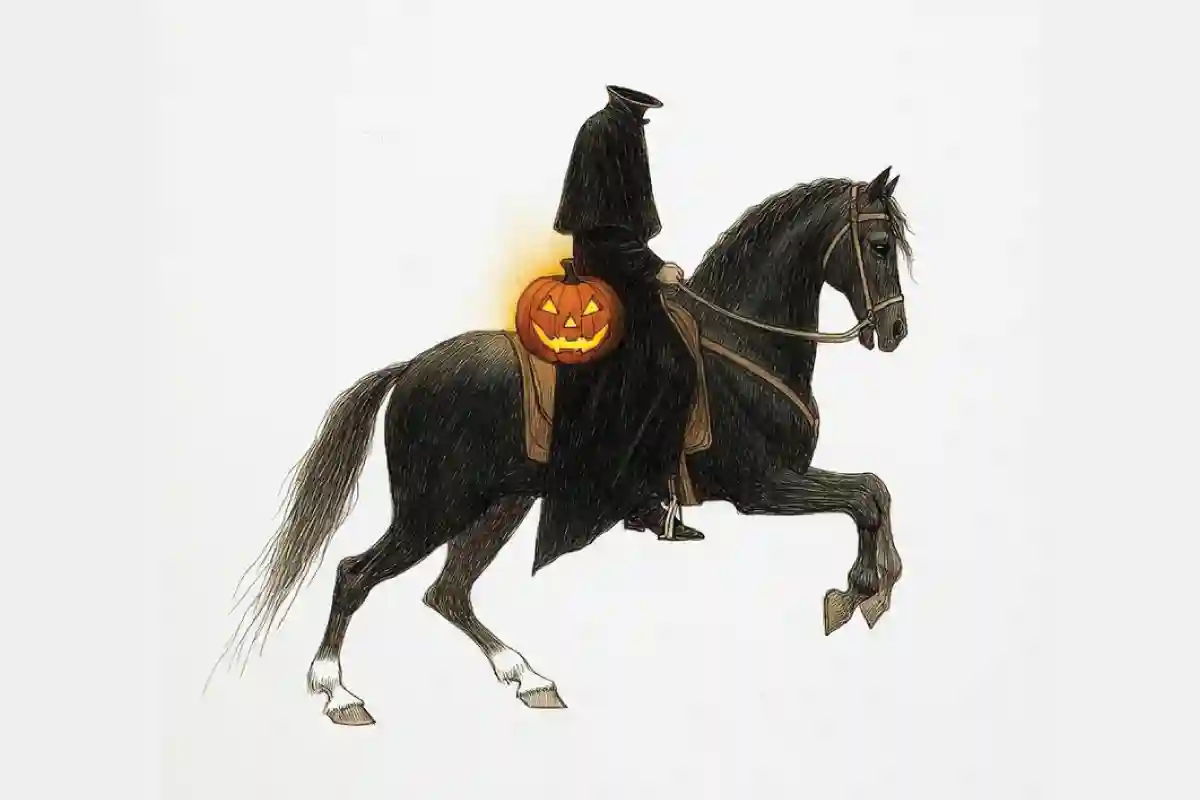
Need a same-grade-band free option? The Legend of Sleepy Hollow is a useful companion title for planning pacing and support.
Dialect and community voice can slow readers who are not used to hearing meaning carried through dialogue and gossip.
Use it when students need the conflict and ending to stay clear while you still teach voice and ambiguity.
It is strong for voice, characterization, rumor, consequence, and debate over what is natural or supernatural.