Choose Original when...
- Best for students ready to work with the author’s full style, syntax, and tone.
- Strong choice when close reading and original diction matter most.
- Useful when students can sustain the text without losing momentum.
The Curious Case of Benjamin Button by F. Scott Fitzgerald (1922). Welcome to the Leveled Lit Classics Library (LLCL), a platform made by a teacher for teachers that makes timeless classical literature accessible to students and meets them at their reading level. Each title in the library has a comprehensive companion study guide and lesson plan designed for 1–2 days of instruction.
The Curious Case of Benjamin Button by F. Scott Fitzgerald (1922) can work across secondary classrooms when teachers match the text version to student reading readiness. LLCL offers Original, Leveled, and Accessible paths into the same story so classes can stay aligned on plot, tone, and discussion.
Teachers often choose this story for its memorable premise, but students can stay on the surface unless the class pushes beyond reverse aging into identity, expectation, and time.
Use the Original when students are ready for Fitzgerald’s social wit and conceptual play; use the Leveled or Accessible version when you want the emotional and thematic arc to stay easy to trace.
| Version | Reading profile | Best classroom use |
|---|---|---|
| Original | FKGL 6.7 • 9,200 words | Best for stronger readers and full-text literary analysis. |
| Leveled | FKGL 6.6 • 6,500 words | Best for accessibility, differentiation, and shared whole-class pacing. |
Students often need help seeing that the reverse-aging gimmick is a tool for thinking about identity and social expectation.
The story works best when readers track how relationships change as Benjamin moves against ordinary life stages.
Discussion is strongest when students connect time, family, and the idea of fitting in.
The Curious Case of Benjamin Button is generally classroom-friendly, but its emotional power depends on students thinking beyond the novelty of the premise.
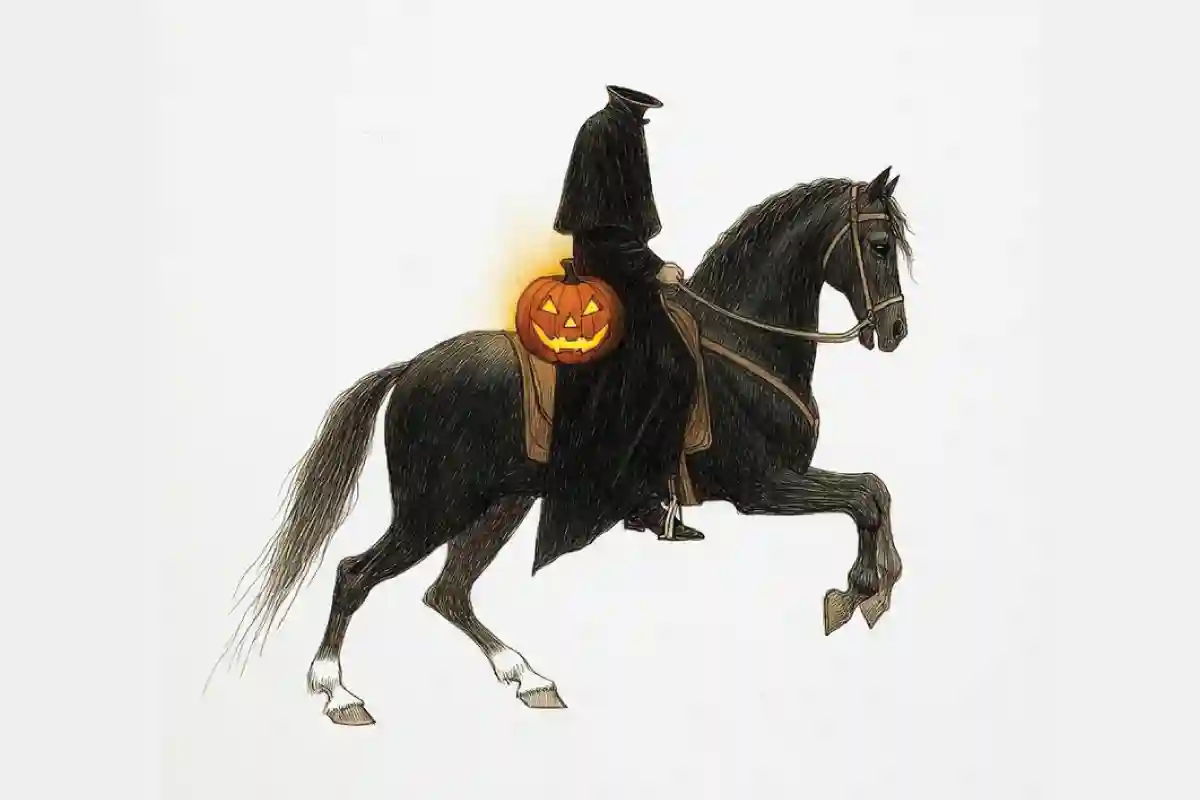
Need a same-grade-band free option? The Legend of Sleepy Hollow is a useful companion title for planning pacing and support.
The reverse-aging concept is striking, so readers sometimes miss the social and emotional critique underneath it.
Use it when students need the relationship arc and thematic structure to remain clear while you still discuss time and identity.
It is strong for theme, satire, characterization, and discussion about time, expectation, and belonging.