Choose Original when...
- Best for students ready to work with the author’s full style, syntax, and tone.
- Strong choice when close reading and original diction matter most.
- Useful when students can sustain the text without losing momentum.
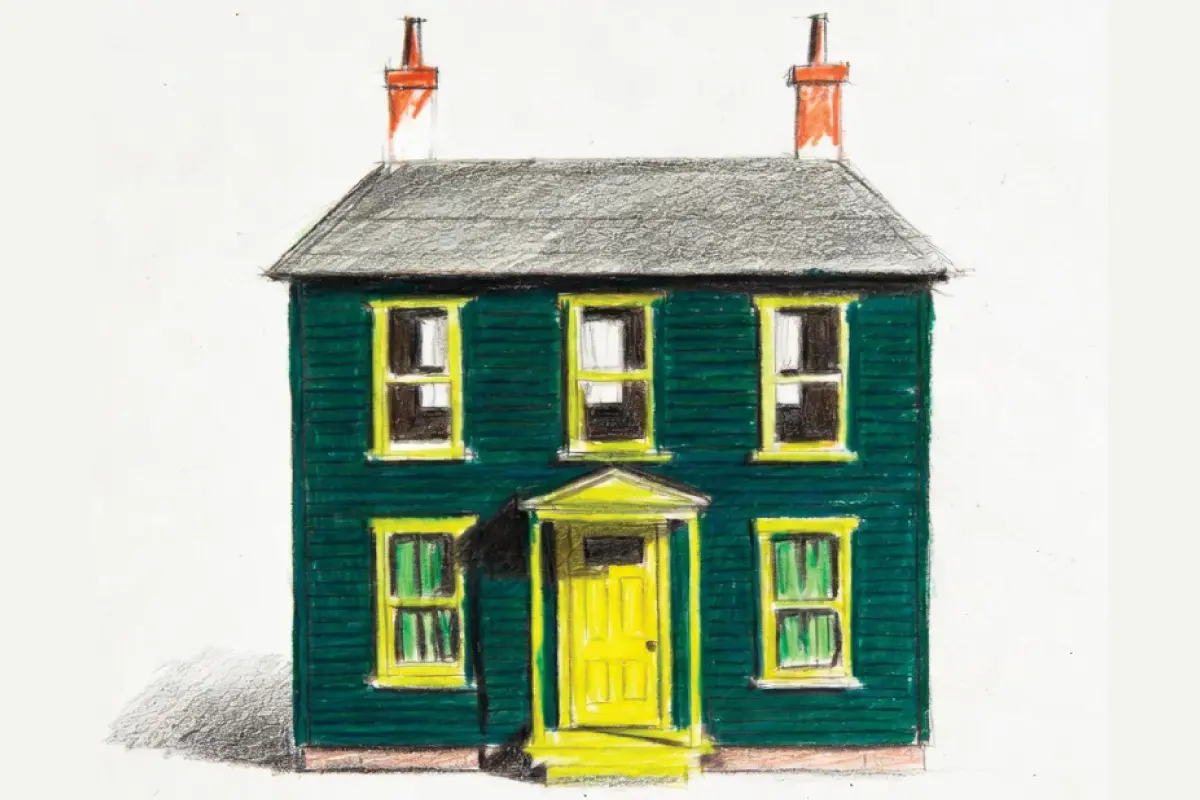
The Doll's House by Katherine Mansfield (1922). Welcome to the Leveled Lit Classics Library (LLCL), a platform made by a teacher for teachers that makes timeless classical literature accessible to students and meets them at their reading level. Each title in the library has a comprehensive companion study guide and lesson plan designed for 1–2 days of instruction.
The Doll's House by Katherine Mansfield (1922) can work across secondary classrooms when teachers match the text version to student reading readiness. LLCL offers Original, Leveled, and Accessible paths into the same story so classes can stay aligned on plot, tone, and discussion.
Teachers often use The Doll’s House for class and social exclusion, but students can miss the story’s quiet cruelty unless they pay close attention to detail, tone, and point of view.
Use the Original when students are ready for Mansfield’s subtle characterization and social nuance; use the Leveled or Accessible version when you want the exclusion, shame, and small acts of kindness to remain clear.
| Version | Reading profile | Best classroom use |
|---|---|---|
| Original | FKGL 4.4 • 2,800 words | Best for stronger readers and full-text literary analysis. |
| Leveled | FKGL 5.2 • 1,900 words | Best for accessibility, differentiation, and shared whole-class pacing. |
Students often need help seeing how small details reveal larger social hierarchy and cruelty.
The story is quiet on the surface, so discussion should draw out what is felt but not directly announced.
Readers benefit from focusing on fairness, belonging, and how children absorb class rules.
The Doll’s House is very classroom-friendly in explicit content and especially useful for social dynamics, empathy, and class-based exclusion.

Need a same-grade-band free option? The Legend of Sleepy Hollow is a useful companion title for planning pacing and support.
It gives students a compact but powerful way to discuss belonging, exclusion, class, and kindness.
Use it when students need the social situation and emotional stakes to stay clear while you still discuss class and tone.
It is strong for social hierarchy, characterization, symbolism, and empathy-based discussion.