Choose Original when...
- Best for students ready to work with the author’s full style, syntax, and tone.
- Strong choice when close reading and original diction matter most.
- Useful when students can sustain the text without losing momentum.
The Horla by Guy de Maupassant (1887). Welcome to the Leveled Lit Classics Library (LLCL), a platform made by a teacher for teachers that makes timeless classical literature accessible to students and meets them at their reading level. Each title in the library has a comprehensive companion study guide and lesson plan designed for 1–2 days of instruction.
The Horla by Guy de Maupassant (1887) can work across secondary classrooms when teachers match the text version to student reading readiness. LLCL offers Original, Leveled, and Accessible paths into the same story so classes can stay aligned on plot, tone, and discussion.
Teachers often choose The Horla for psychological horror, but students can struggle to decide whether they are reading a supernatural invasion or a mind collapsing under paranoia.
Use the Original when students are ready for diary form, escalating dread, and ambiguity; use the Leveled or Accessible version when you want the psychological arc and interpretive questions to stay clear.
| Version | Reading profile | Best classroom use |
|---|---|---|
| Original | FKGL 7.2 • 9,800 words | Best for stronger readers and full-text literary analysis. |
| Leveled | FKGL 4.8 • 7,400 words | Best for accessibility, differentiation, and shared whole-class pacing. |
Students often need help tracking how the narrator’s certainty changes over time.
The diary structure matters because it narrows the reader’s view to one increasingly unstable perspective.
Discussion is strongest when readers consider both supernatural and psychological interpretations without forcing a single answer.
The Horla centers on paranoia, emotional destabilization, and self-destructive thinking, so it fits best in classes ready for mature psychological discussion.
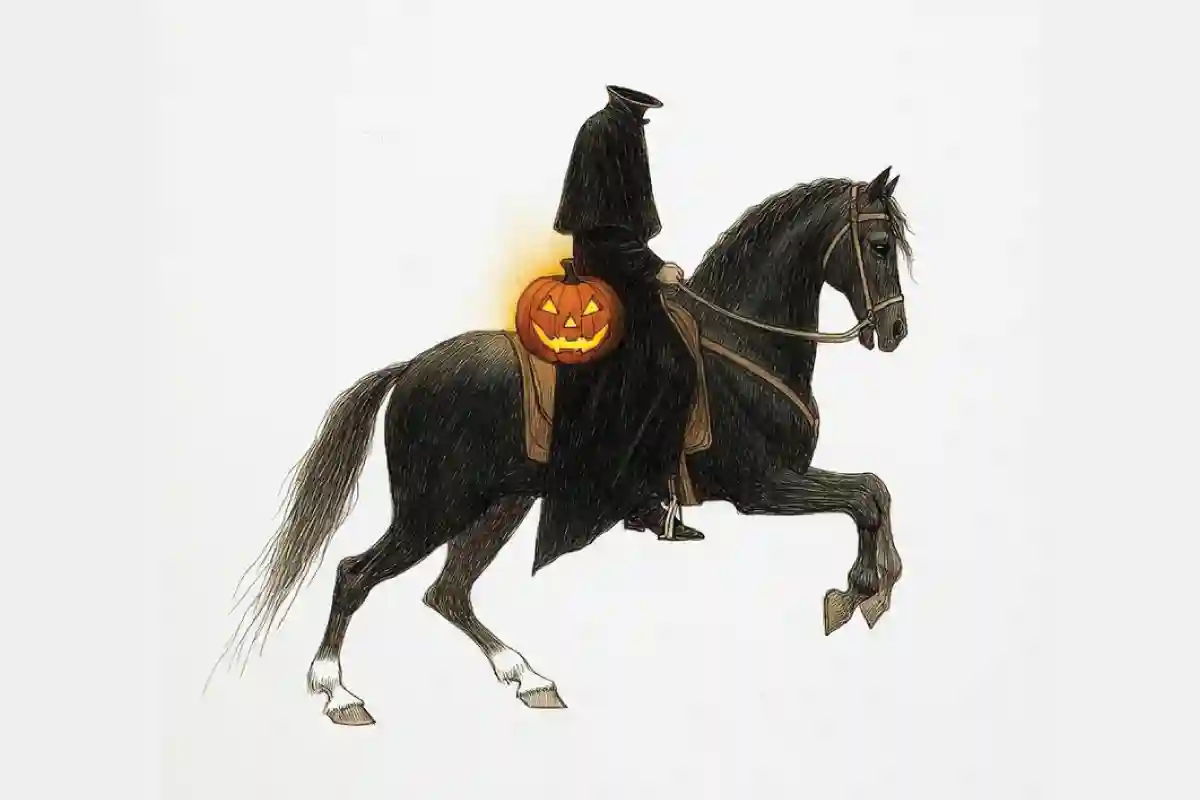
Need a same-grade-band free option? The Legend of Sleepy Hollow is a useful companion title for planning pacing and support.
The diary form traps readers inside one perspective, so the story can plausibly read as either supernatural or psychological.
Use it when students need the narrator’s downward spiral and the two main interpretations to stay clear.
It is especially strong for ambiguity, point of view, diary form, and psychological horror.