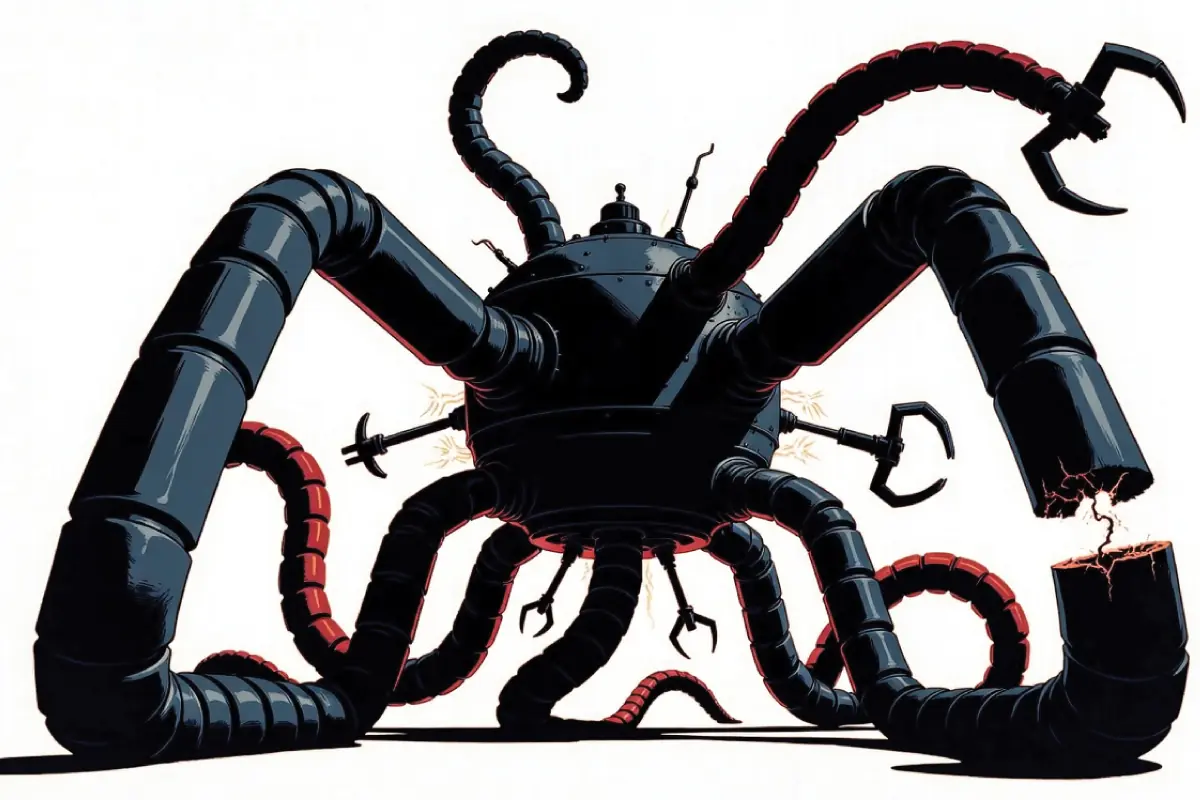
The Machine Stops Reading Level, Grade Level, and Best Classroom Version
The Machine Stops by E. M. Forster (1909). Welcome to the Leveled Lit Classics Library (LLCL), a platform made by a teacher for teachers that makes timeless classical literature accessible to students and meets them at their reading level. Each title in the library has a comprehensive companion study guide and lesson plan designed for 1–2 days of instruction. This short-story lesson sequence works especially well for dystopia, technology-and-society, and argument-based discussion.
Browse more classics for Grades 9–12
Challenges Teachers Face
The Machine Stops by E. M. Forster (1909) can work especially well in Grades 9–10 when teachers want a short dystopian text that opens discussion about technology, dependence, conformity, and what humans lose when convenience replaces direct experience.
Teachers often want students to move beyond “technology is bad” and instead analyze how Forster builds a warning about dependence, isolation, and human passivity.
Use the Original when students are ready to track Forster’s full dystopian language and abstract argument; use the Leveled or Accessible version when the goal is stronger comprehension of the world-building, warning, and theme.
Reading level and text complexity at a glance
| Version | Reading profile | Best classroom use |
|---|
| Original |
FKGL 6.6 • 12,200 words |
Best for stronger readers and full-text literary analysis. |
| Leveled |
FKGL 5.6 • 8,500 words |
Best for accessibility, differentiation, and shared whole-class pacing. |
When should teachers choose the Original or Leveled version?
Choose Original when...
- Best for students ready to work with the author’s full style, syntax, and tone.
- Strong choice when close reading of diction, structure, and author craft matters most.
- Useful when students can sustain the text without losing meaning or momentum.
Choose Leveled when...
- Best when students need a more manageable reading load but still need access to the full story arc.
- Helpful for mixed-readiness classes that still want shared discussion and text evidence work.
- A strong choice when pacing and comprehension support matter.
Why can The Machine Stops feel difficult for some students?
abstract ideasdystopian world-buildingtechnology vocabularytheme-heavy discussion
Students may understand the plot events before they understand the social critique underneath them.
The setting is conceptually strange, so readers often need explicit support connecting details to theme.
Discussion is strongest when students compare physical comfort, intellectual dependence, and human disconnection.
Content and classroom-fit considerations
This story is highly teachable for secondary classes, but it works best when teachers frame it as a warning about dependence, conformity, and human isolation rather than only as futuristic plot.
Same-grade-band free title example
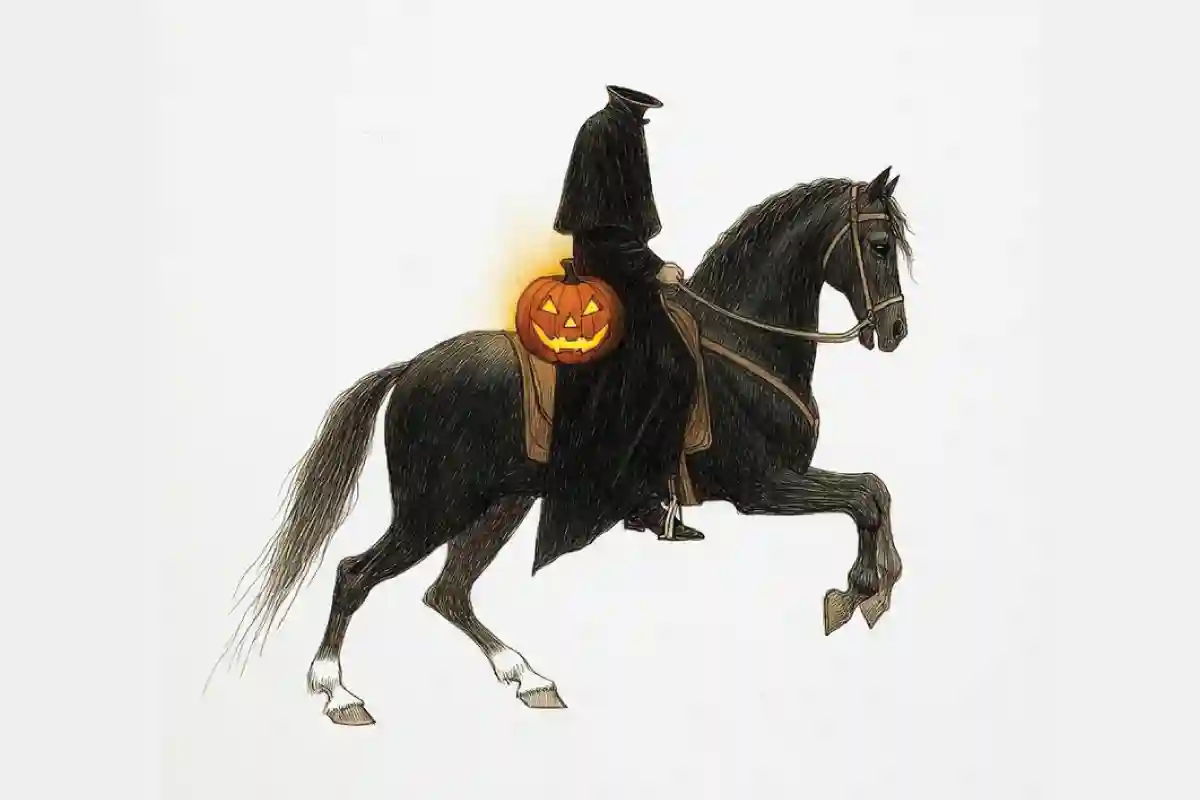
The Legend of Sleepy Hollow
Need a same-grade-band free option? The Legend of Sleepy Hollow is a useful companion title for planning pacing and support.
FAQ
Why does The Machine Stops work well in dystopia units?
It gives students a short, discussion-ready example of how a society can look efficient and civilized while still becoming deeply fragile and inhuman.
When should teachers use the Accessible version?
Use it when students need fast access to the central warning so class time can focus on discussion, argument, and theme instead of decoding the setting.
What is the biggest teaching opportunity in this story?
Its biggest value is helping students connect world-building details to a broader argument about dependence, comfort, and what counts as real human life.