
The Mark of the Beast Reading Level, Grade Level, and Best Classroom Version
The Mark of the Beast by Rudyard Kipling (1890). Welcome to the Leveled Lit Classics Library (LLCL), a platform made by a teacher for teachers that makes timeless classical literature accessible to students and meets them at their reading level. Each title in the library has a comprehensive companion study guide and lesson plan designed for 1–2 days of instruction. This short-story lesson sequence is best used in advanced classes where historical context, tone, and ethical interpretation matter as much as plot.
Browse more classics for Grades 9–12
Challenges Teachers Face
The Mark of the Beast by Rudyard Kipling (1890) can work in upper high school when teachers want a disturbing supernatural text that also opens discussion about colonial attitudes, fear, and moral compromise.
Teachers often need to decide whether the story’s disturbing material and colonial framing can be taught productively or whether students will need stronger context before reading.
Use the Original when students are prepared for the full tone, atmosphere, and historical baggage; use the Leveled or Accessible version when the class needs more support focusing on fear, power, and interpretation rather than dense language.
Reading level and text complexity at a glance
| Version | Reading profile | Best classroom use |
|---|
| Original |
FKGL 6.1 • 4,900 words |
Best for stronger readers and full-text literary analysis. |
| Leveled |
FKGL 5.7 • 3,500 words |
Best for accessibility, differentiation, and shared whole-class pacing. |
When should teachers choose the Original or Leveled version?
Choose Original when...
- Best for students ready to work with the author’s full style, syntax, and tone.
- Strong choice when close reading of diction, structure, and author craft matters most.
- Useful when students can sustain the text without losing meaning or momentum.
Choose Leveled when...
- Best when students need a more manageable reading load but still need access to the full story arc.
- Helpful for mixed-readiness classes that still want shared discussion and text evidence work.
- A strong choice when pacing and comprehension support matter.
Why can The Mark of the Beast feel difficult for some students?
colonial contextdisturbing imagerymoral ambiguitysupernatural horror
Students need historical framing to recognize how the story reflects colonial anxieties and prejudice.
The story invites discomfort, so discussion works best when teachers separate authorial context from modern evaluation.
Readers may fixate on shock value unless teachers guide them toward tone, fear, and moral compromise.
Content and classroom-fit considerations
This is one of the more difficult LLCL shorts to teach because of its colonial assumptions and disturbing content. It is best reserved for mature classes with strong teacher framing and explicit context.
Same-grade-band free title example
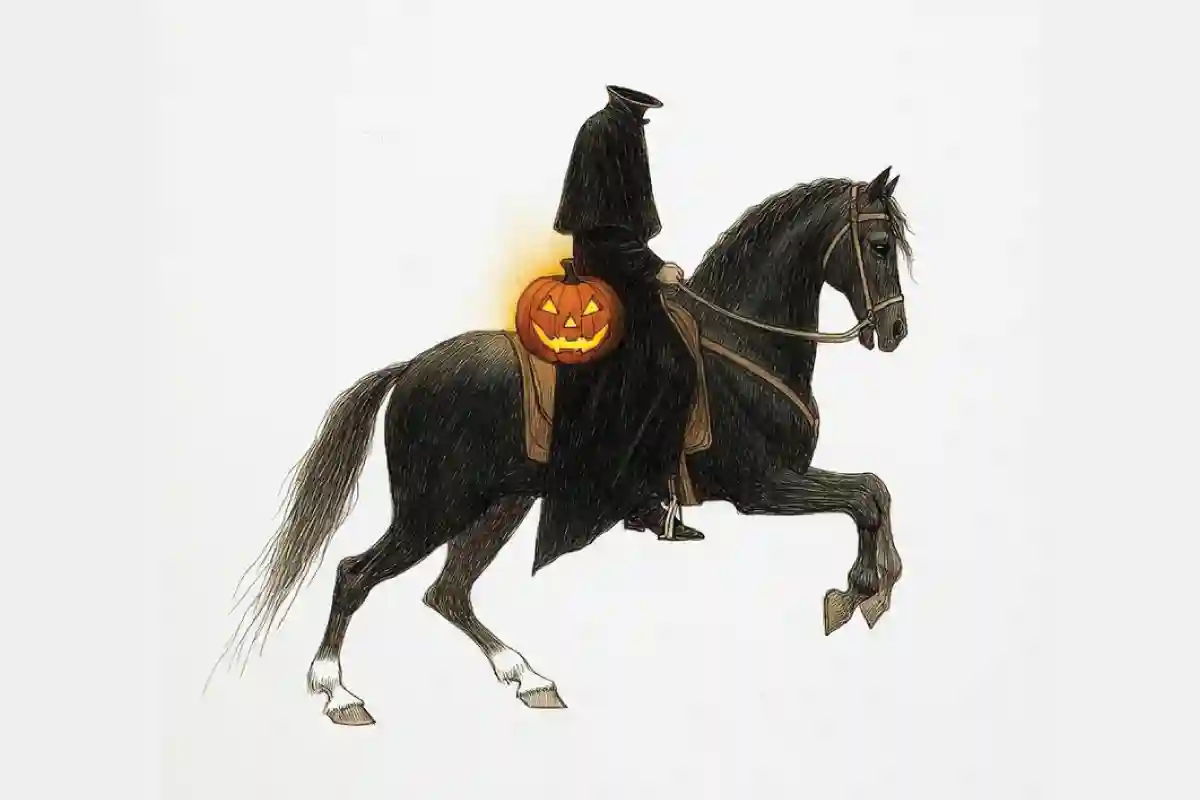
The Legend of Sleepy Hollow
Need a same-grade-band free option? The Legend of Sleepy Hollow is a useful companion title for planning pacing and support.
FAQ
Is The Mark of the Beast a good fit for all high-school classes?
No. It is usually best for advanced or mature upper high school classes where historical context and difficult discussion can be handled directly.
Why might teachers choose the Leveled or Accessible version here?
Those versions help students focus on the story’s fear, conflict, and ethical questions without losing momentum in the language.
What makes this story worth teaching?
Its value comes from the way horror, prejudice, and moral compromise intersect, giving students a chance to read critically rather than passively.