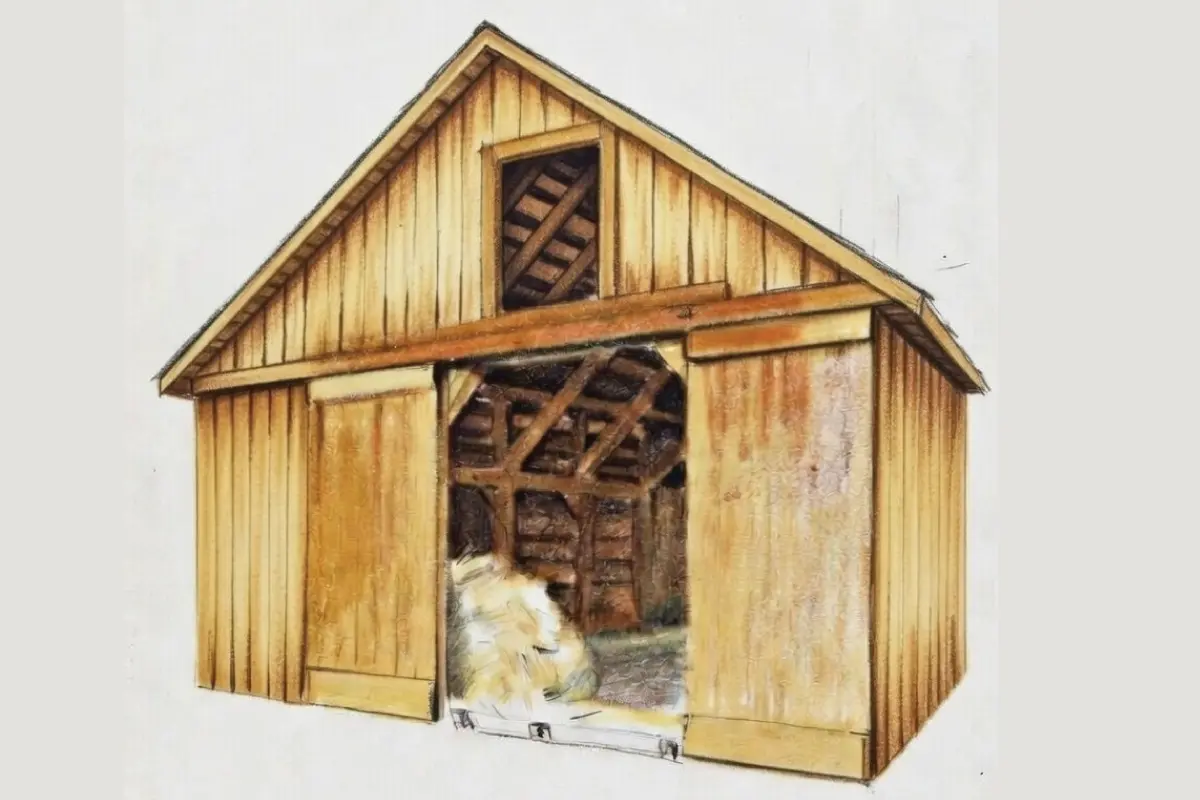
The Revolt of Mother Reading Level, Grade Level, and Best Classroom Version
The Revolt of Mother by Mary E. Wilkins Freeman (1890). Welcome to the Leveled Lit Classics Library (LLCL), a platform made by a teacher for teachers that makes timeless classical literature accessible to students and meets them at their reading level. Each title in the library has a comprehensive companion study guide and lesson plan designed for 1–2 days of instruction. This short-story lesson sequence is useful for family conflict, gender roles, and social expectations in American literature.
Browse more classics for Grades 6–8
Challenges Teachers Face
The Revolt of Mother by Mary E. Wilkins Freeman (1890) can work in secondary classes when teachers want a short story that turns family conflict into a clear discussion of fairness, power, and domestic expectations.
Teachers often need students to recognize that the story’s conflict is not just personal disagreement but also a larger question about labor, gender, and authority.
Use the Original when students are ready for the full social texture and dialogue; use the Leveled or Accessible version when the goal is stronger access to conflict, character motivation, and theme.
Reading level and text complexity at a glance
| Version | Reading profile | Best classroom use |
|---|
| Original |
FKGL 4.8 • 6,400 words |
Best for stronger readers and full-text literary analysis. |
| Leveled |
FKGL 3.4 • 5,000 words |
Best for accessibility, differentiation, and shared whole-class pacing. |
When should teachers choose the Original or Leveled version?
Choose Original when...
- Best for students ready to work with the author’s full style, syntax, and tone.
- Strong choice when close reading of diction, structure, and author craft matters most.
- Useful when students can sustain the text without losing meaning or momentum.
Choose Leveled when...
- Best when students need a more manageable reading load but still need access to the full story arc.
- Helpful for mixed-readiness classes that still want shared discussion and text evidence work.
- A strong choice when pacing and comprehension support matter.
Why can The Revolt of Mother feel difficult for some students?
social contextdomestic conflictsubtle power dynamicsperiod dialogue
Students may first see the story as only a family disagreement unless teachers widen the discussion to social expectation and fairness.
Character motivation becomes clearer when students track long-term frustration, not just the final action.
The story rewards close attention to what has been promised, postponed, and finally claimed.
Content and classroom-fit considerations
This story is highly teachable because its conflict is easy to summarize but rich enough for deeper discussion about authority, fairness, and domestic labor.
Same-grade-band free title example
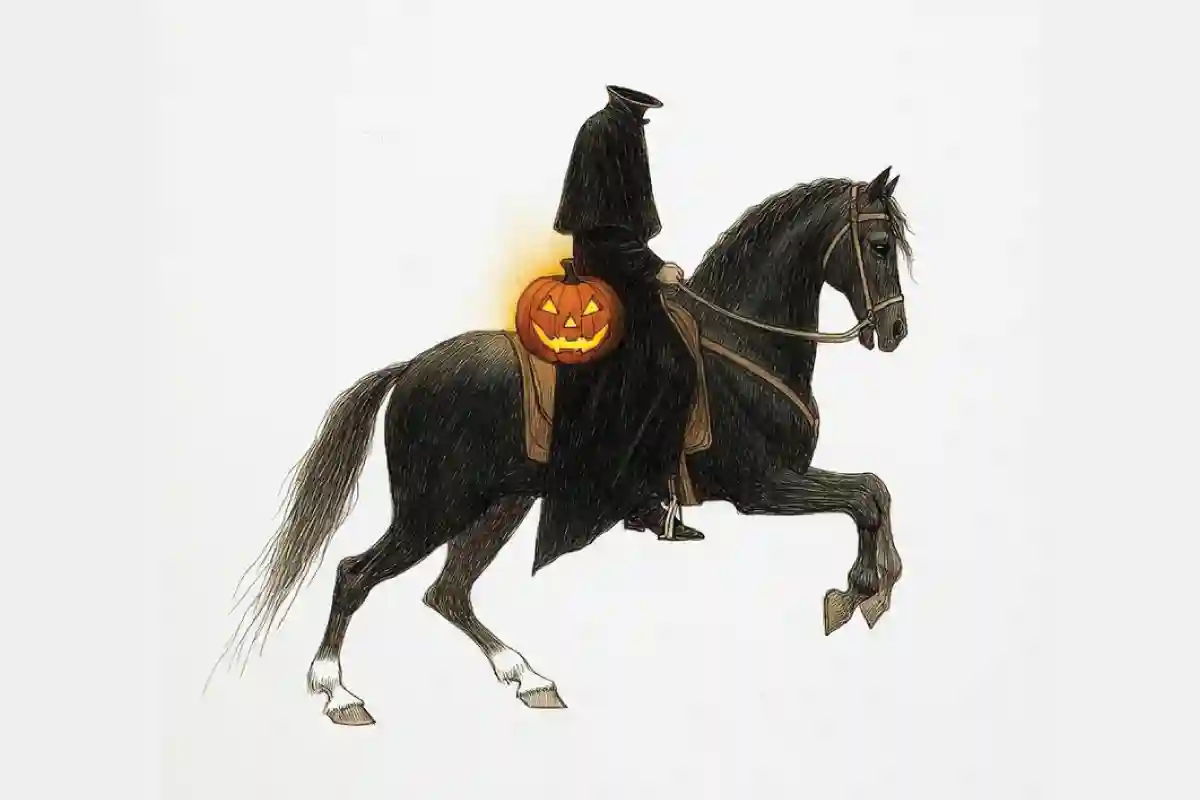
The Legend of Sleepy Hollow
Need a same-grade-band free option? The Legend of Sleepy Hollow is a useful companion title for planning pacing and support.
FAQ
Why does The Revolt of Mother work well for discussion?
Its conflict is easy for students to grasp at the surface level, but it quickly opens into larger questions about power, obligation, and social roles.
When should teachers choose the Accessible version?
Use it when students need easier access to the conflict itself before moving into discussion of social expectation and theme.
What is the strongest teaching angle for this story?
One of the strongest angles is the relationship between family authority, labor, and the right to basic dignity.