The Voice in the Night Reading Level, Grade Level, and Best Classroom Version
The Voice in the Night by William Hope Hodgson (1907). Welcome to the Leveled Lit Classics Library (LLCL), a platform made by a teacher for teachers that makes timeless classical literature accessible to students and meets them at their reading level. Each title in the library has a comprehensive companion study guide and lesson plan designed for 1–2 days of instruction. This short-story lesson sequence is especially useful for frame narrative, atmosphere, and escalating dread.
Browse more classics for Grades 6–8
Challenges Teachers Face
The Voice in the Night by William Hope Hodgson (1907) can work in upper middle school and high school when teachers want a high-interest horror story built on atmosphere, revelation, and a steadily worsening account.
Teachers often want students to move beyond the “gross” factor and notice how the frame structure and delayed revelations create dread.
Use the Original when students are ready to track Hodgson’s full atmosphere and narrative reveal; use the Leveled or Accessible version when the goal is stronger access to sequence, suspense, and theme.
Reading level and text complexity at a glance
| Version | Reading profile | Best classroom use |
|---|
| Original |
FKGL 6.1 • 4,900 words |
Best for stronger readers and full-text literary analysis. |
| Leveled |
FKGL 4.4 • 3,400 words |
Best for accessibility, differentiation, and shared whole-class pacing. |
When should teachers choose the Original or Leveled version?
Choose Original when...
- Best for students ready to work with the author’s full style, syntax, and tone.
- Strong choice when close reading of diction, structure, and author craft matters most.
- Useful when students can sustain the text without losing meaning or momentum.
Choose Leveled when...
- Best when students need a more manageable reading load but still need access to the full story arc.
- Helpful for mixed-readiness classes that still want shared discussion and text evidence work.
- A strong choice when pacing and comprehension support matter.
Why can The Voice in the Night feel difficult for some students?
frame narrativebody horroratmosphereescalating revelation
Students may focus on the shocking details without noticing how the story controls pace and revelation.
The frame narrative matters because it creates distance before the horror closes in.
Discussion improves when students track how each new detail changes the reader’s understanding of the island.
Content and classroom-fit considerations
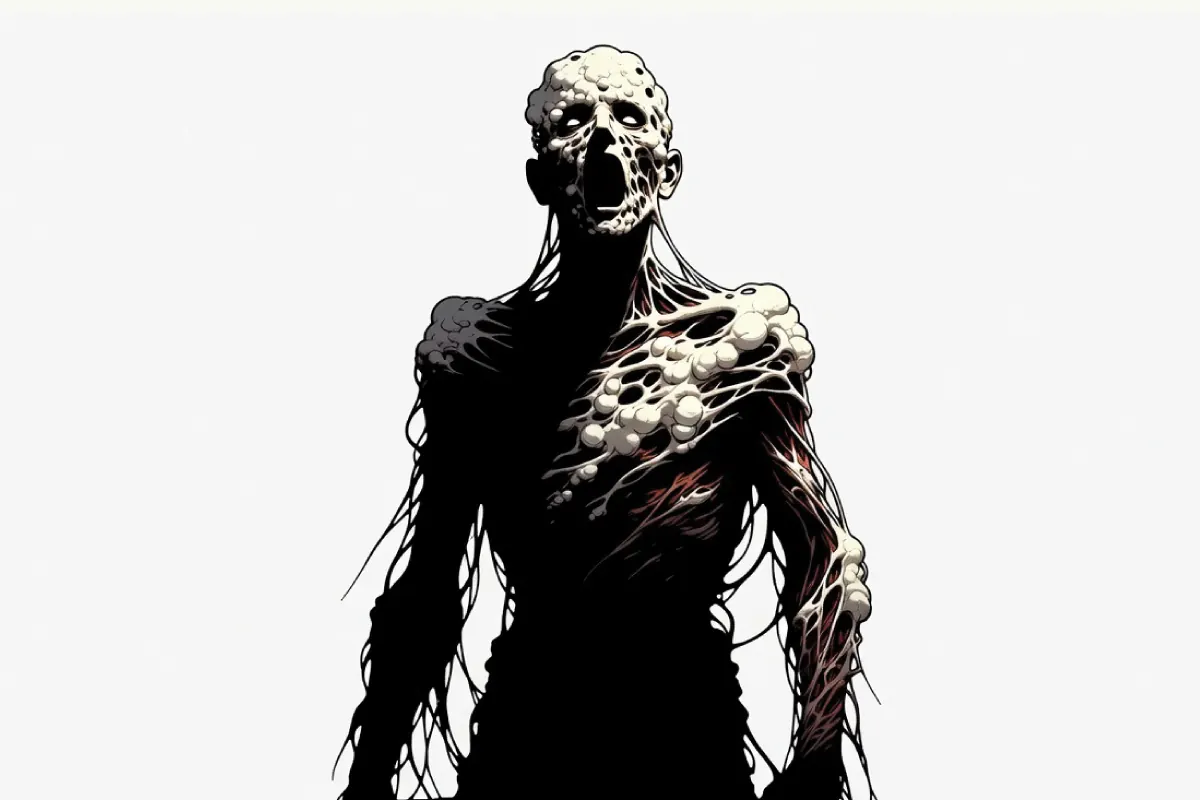
This story includes grotesque horror imagery, so it works best where teachers are comfortable with weird fiction and can frame the tone carefully.
Same-grade-band free title example
The Legend of Sleepy Hollow
Need a same-grade-band free option? The Legend of Sleepy Hollow is a useful companion title for planning pacing and support.
FAQ
Why is The Voice in the Night effective horror?
It builds fear through delayed explanation and a narrated account that keeps getting worse with each new detail.
When should teachers use the Accessible version?
Use it when students need easier access to the story sequence so class time can focus on structure, suspense, and atmosphere.
What is the strongest teaching move with this story?
Treat the frame narrative as part of the horror design, not just a wrapper around the plot.