
Young Goodman Brown Reading Level, Grade Level, and Best Classroom Version
Young Goodman Brown by Nathaniel Hawthorne (1835). Welcome to the Leveled Lit Classics Library (LLCL), a platform made by a teacher for teachers that makes timeless classical literature accessible to students and meets them at their reading level. Each title in the library has a comprehensive companion study guide and lesson plan designed for 1–2 days of instruction. This short-story lesson sequence is especially useful for allegory, symbolism, doubt, and the psychological cost of lost faith.
Browse more classics for Grades 6–8
Challenges Teachers Face
Young Goodman Brown by Nathaniel Hawthorne (1835) can work across secondary classrooms when teachers want a short story that blends allegory, Gothic atmosphere, and psychological doubt.
Teachers often need students to move beyond “was it real or a dream?” and recognize that Hawthorne is using the forest journey to explore sin, trust, and the collapse of certainty.
Use the Original when students are ready for Hawthorne’s symbolism and allegorical tone; use the Leveled or Accessible version when the goal is stronger access to the journey, imagery, and central moral crisis.
Reading level and text complexity at a glance
| Version | Reading profile | Best classroom use |
|---|
| Original |
FKGL 8.7 • 5,200 words |
Best for stronger readers and full-text literary analysis. |
| Leveled |
FKGL 4.5 • 3,700 words |
Best for accessibility, differentiation, and shared whole-class pacing. |
When should teachers choose the Original or Leveled version?
Choose Original when...
- Best for students ready to work with the author’s full style, syntax, and tone.
- Strong choice when close reading of diction, structure, and author craft matters most.
- Useful when students can sustain the text without losing meaning or momentum.
Choose Leveled when...
- Best when students need a more manageable reading load but still need access to the full story arc.
- Helpful for mixed-readiness classes that still want shared discussion and text evidence work.
- A strong choice when pacing and comprehension support matter.
Why can Young Goodman Brown feel difficult for some students?
allegorysymbolismreligious contextambiguity
Students often focus first on the dream question instead of the story’s larger allegorical meaning.
The forest journey works best when teachers help students read symbols rather than only events.
Discussion improves when students trace how doubt changes Brown permanently, whether or not the vision was literal.
Content and classroom-fit considerations
This story is most teachable when framed through allegory and doubt. The challenge is interpretive, not graphic.
Same-grade-band free title example
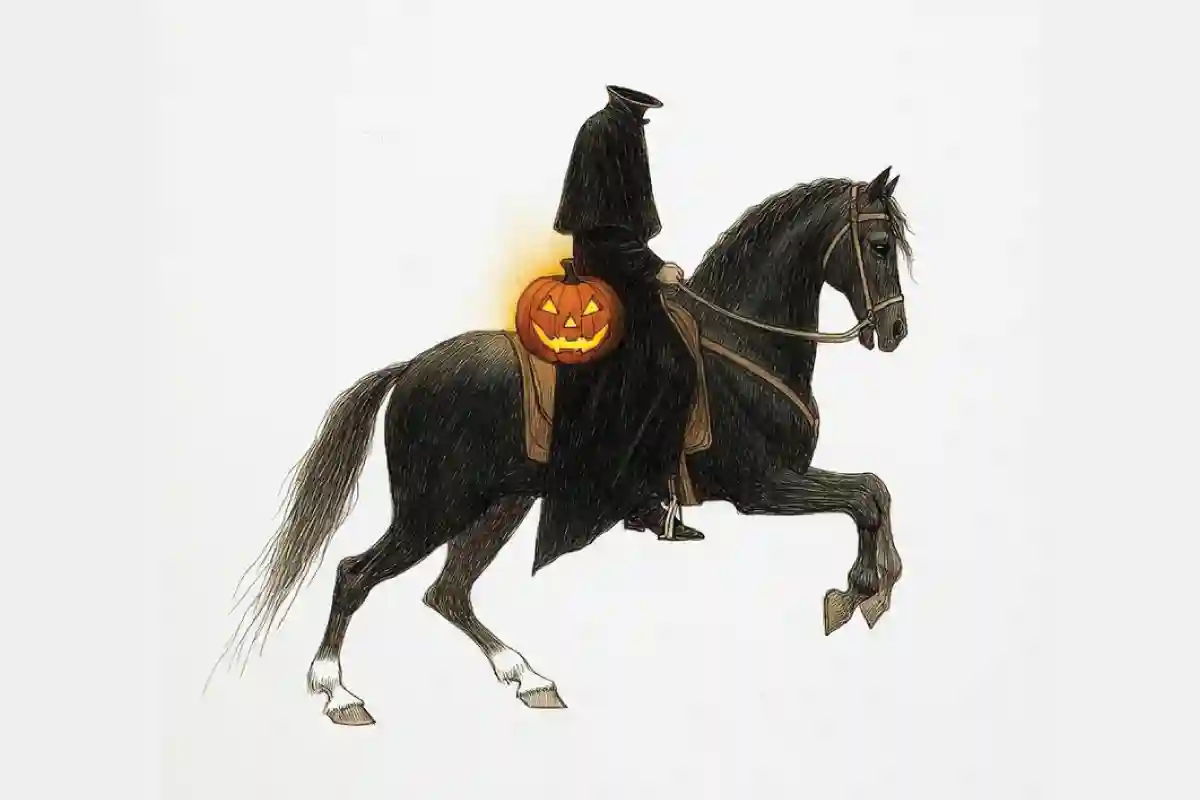
The Legend of Sleepy Hollow
Need a same-grade-band free option? The Legend of Sleepy Hollow is a useful companion title for planning pacing and support.
FAQ
Why is Young Goodman Brown often taught as allegory?
Because the story’s power comes from how Hawthorne turns a nighttime journey into a symbolic test of faith, trust, and moral certainty.
When should teachers use the Accessible version?
Use it when students need easier access to the plot and major symbols before moving into deeper allegorical discussion.
What is the central teaching opportunity in this story?
Its strongest opportunity is helping students see how ambiguity, symbolism, and doubt can reshape a character’s entire worldview.