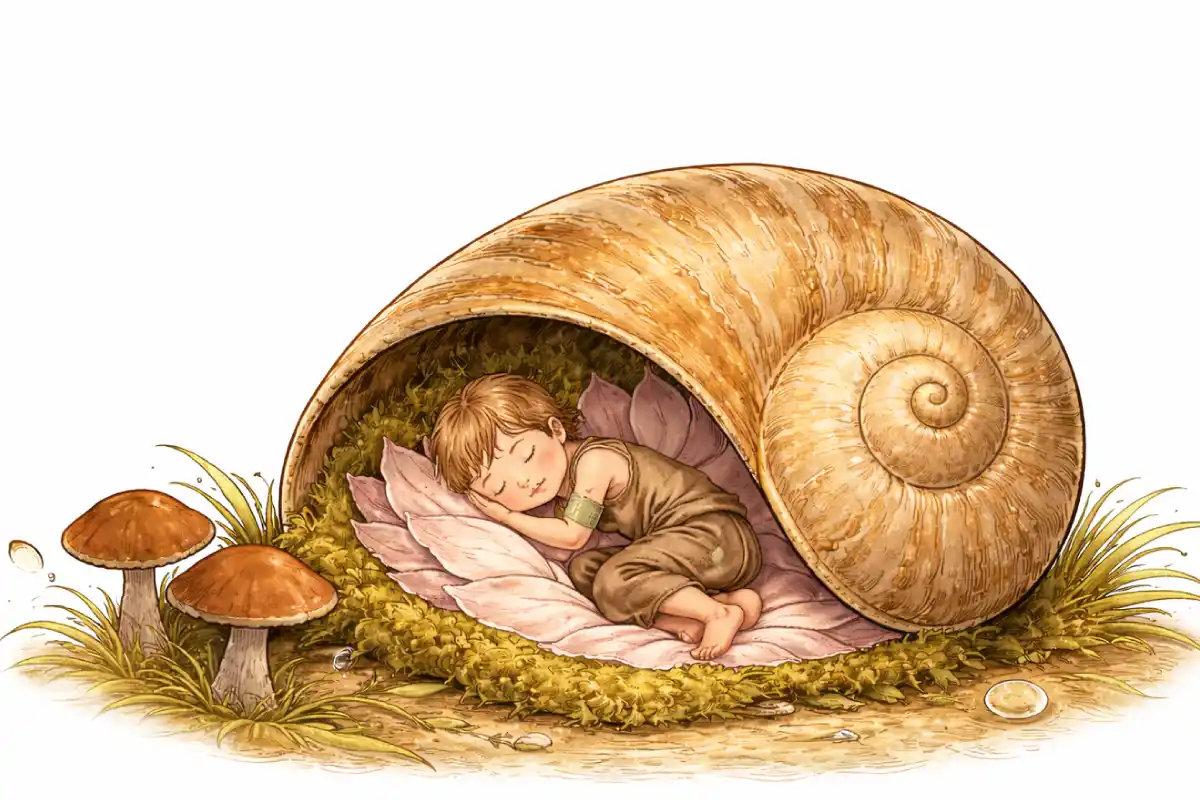
Week pack · Mini-heroes and big quests
Teaching Grimm’s Fairy Tales — Week 5: Mini-Heroes and Big Quests with Mixed Reading Levels
Small heroes take on huge quests—one clever move at a time—until the ending flips what you expected. This teaching guide shows how to keep a mixed-ability class inside one shared classroom unit with Original and Leveled paths.
Classroom solution for mixed reading levels
Teach one whole-class multi-day unit on Grimm’s Fairy Tales — Week 5: Mini-Heroes and Big Quests. Differentiate reading load with Original and Leveled tracks while everyone stays on the same themes—courage, quest structure, unlikely heroes, perseverance. Preview free titles if you are still testing the workflow; unlock full library access with a Classroom License when you are ready.
Why this title works for mixed-ability classes
Grimm’s Fairy Tales — Week 5: Mini-Heroes and Big Quests by Brothers Grimm (1812) is commonly placed in the Upper Elementary (3–5) band with content maturity around 3. The classroom win is keeping one shared conversation about courage, quest structure, unlikely heroes, perseverance while adjusting reading load across days.
Grimm’s Fairy Tales — Week 5: Mini-Heroes and Big Quests is available in the full library. Try free titles first if needed, then use a Classroom License for whole-class access without student logins.
Original vs Leveled at a glance
Best when students can sustain fuller language and craft or content analysis.
Best when stamina or decoding load would otherwise stall discussion.
Confirm current metrics before publishing pacing docs. Open reading-level details for the compact FKGL and word-count view, or browse the full Library.
| Choose… | When… |
|---|---|
| Original | Students can handle fuller quest description and older diction for craft analysis. |
| Leveled | You need clearer stage-by-stage access so discussion of courage includes all readers. |
| Both tracks | Your class has a wide readiness spread and you still want one unit conversation. |
What makes the text demanding
- Quest length inside a pack: some tales run long—chunk by stage.
- “Small hero” theme: keep focus on resourcefulness, not only luck.
- Cast of helpers/obstacles: tracking tools help.
- Culminating week: good synthesis point for Grimm patterns.
A practical multi-day mixed-level sequence
- Focus 1: Quest stages map (call, road, test, reward).
- Focus 2: Track one hero’s resourcefulness evidence.
- Focus 3: Compare two mini-heroes.
- Focus 4: Capstone write: What does Grimm teach about courage?
Assign by section, poem, tale, or inquiry beat—not identical page counts. Hold one discussion set across the sequence so Original and Leveled readers stay aligned.
Discussion prompts that work across versions
- What makes a “mini-hero” heroic without superpowers?
- Which quest stage is hardest—leaving, testing, or returning?
- How do helpers change the meaning of success?
- What Grimm patterns reappear across the five-week set?
Content and classroom-fit notes
Low-to-moderate maturity adventure. Strong multi-day mixed-ability capstone pack.
Study guide and licensing path
Pair reading with a companion study guide when you want ready-made analysis tasks. For whole-library deployment, use the Classroom License: unlock on a teacher device, then share a Student Link or QR so students never need accounts.
FAQ
What grade band fits Grimm’s Fairy Tales — Week 5: Mini-Heroes and Big Quests best?
Grimm’s Fairy Tales — Week 5: Mini-Heroes and Big Quests is commonly placed in the Upper Elementary (3–5) band. Confirm maturity and version metrics in the Library browser before finalizing pacing.
When should teachers choose the Leveled version of Grimm’s Fairy Tales — Week 5: Mini-Heroes and Big Quests?
You need clearer stage-by-stage access so discussion of courage includes all readers.
Where do I look up FKGL and word counts?
Open the Library browser, find Grimm’s Fairy Tales — Week 5: Mini-Heroes and Big Quests, and use its title page for reading-level details.