Free short classic · Folklore, fear, and storytelling · Free title
Teaching The Legend of Sleepy Hollow with Mixed Reading Levels
Ichabod Crane courts wealth and scares himself silly with ghost stories—until one midnight ride turns rumor into something that feels horribly real. This teaching guide shows how to keep a mixed-ability class inside one shared short story conversation with Original and Leveled paths.
How to teach this title in a mixed-ability class
Teach one free unit on The Legend of Sleepy Hollow. Use the Leveled path when stamina or language load would block participation; use Original when students can sustain fuller craft and style. Keep discussion on superstition, reputation, unreliable atmosphere, American folklore so every student stays in the same literary conversation.
Why this title works for mixed-ability classes
The Legend of Sleepy Hollow by Washington Irving (1820) is commonly placed in the Middle School (6–8) band with content maturity around 3.5. The classroom win is keeping one shared conversation about superstition, reputation, unreliable atmosphere, American folklore while adjusting reading load.
The Legend of Sleepy Hollow is free in Leveled Lit Classics, so you can pilot this unit without purchase friction or student accounts.
Original vs Leveled at a glance
Best when students can sustain fuller language and craft analysis.
Best when stamina or decoding load would otherwise stall discussion.
Confirm current metrics before publishing pacing docs. Open reading-level details for the compact FKGL and word-count view, or browse the full Library.
| Choose… | When… |
|---|---|
| Original | Students can enjoy fuller descriptive comedy and you want style analysis of folklore voice. |
| Leveled | You need faster access to Ichabod, the chase, and the open ending for discussion and writing. |
| Both tracks | Your class has a wide readiness spread and you still want one unit conversation. |
What makes the text demanding
- Descriptive density: Irving’s landscape and comic detail can slow readers.
- Tone mix: humor and dread sit side by side.
- Ambiguous ending: students must argue without a single “correct” solution.
- Vocabulary age: older diction appears even when plot is accessible.
A practical mixed-level week
- Focus 1: Establish Sleepy Hollow’s atmosphere and Ichabod’s desires.
- Focus 2: Track Brom Bones, Katrina, and social rivalry.
- Focus 3: Read the chase and ending; debate explanations with evidence.
- Focus 4: Short argument paragraph defending one interpretation of the ending.
Assign by story beat or scene cluster, not identical page counts. Hold one discussion set all week so Original and Leveled readers stay aligned.
Discussion prompts that work across versions
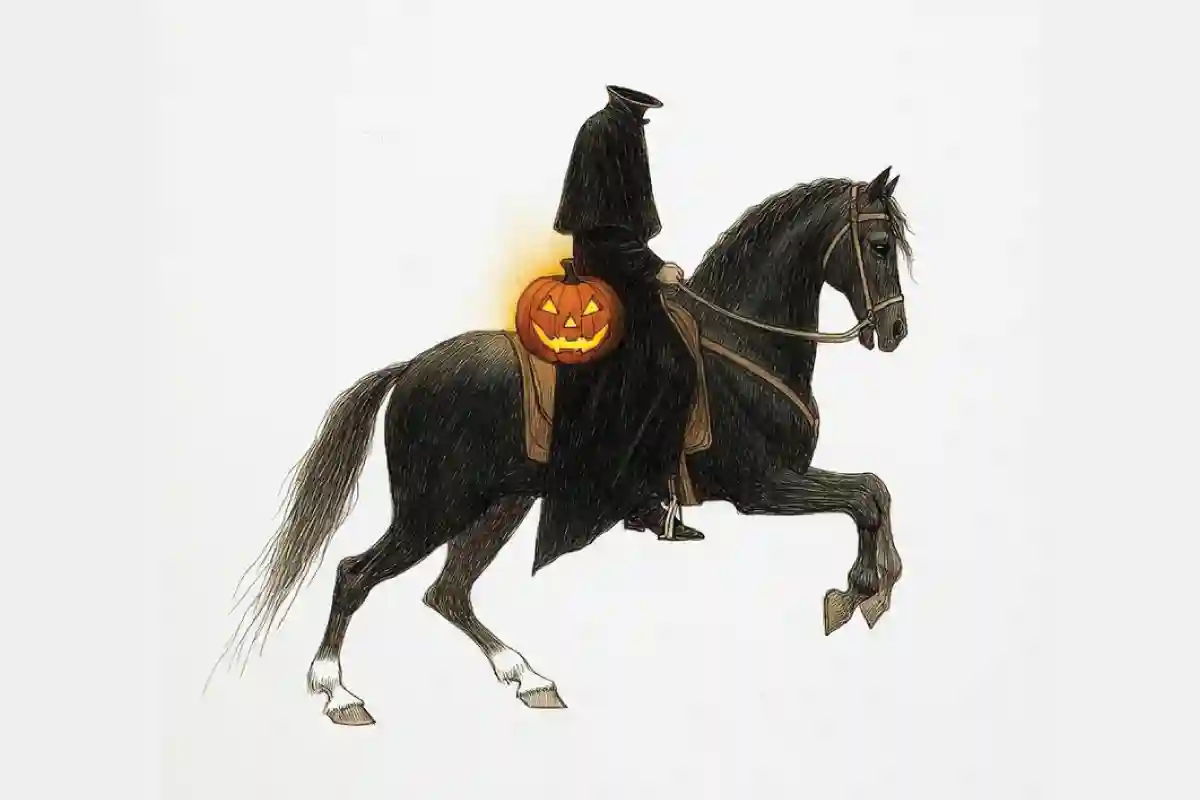
- Is the Headless Horseman supernatural, a prank, or deliberately left unclear?
- How does Irving use setting to create both humor and fear?
- What does the story suggest about reputation and outsiders?
- Who benefits from the legend, and how?
Content and classroom-fit notes
Low-to-moderate maturity. Mild scare content; strong for Halloween or American folklore units.
Study guide and licensing path
Pair reading with a companion study guide when you want ready-made analysis tasks. For whole-library deployment, use the Classroom License: unlock on a teacher device, then share a Student Link or QR so students never need accounts.
FAQ
What grade band fits The Legend of Sleepy Hollow best?
The Legend of Sleepy Hollow is commonly placed in the Middle School (6–8) band. Confirm maturity and version metrics in the Library browser before finalizing pacing.
When should teachers choose the Leveled version of The Legend of Sleepy Hollow?
You need faster access to Ichabod, the chase, and the open ending for discussion and writing.
Where do I look up FKGL and word counts?
Open the Library browser, find The Legend of Sleepy Hollow, and use its title page for reading-level details.