Novel · Sin, shame, and public judgment
Teaching The Scarlet Letter with Mixed Reading Levels
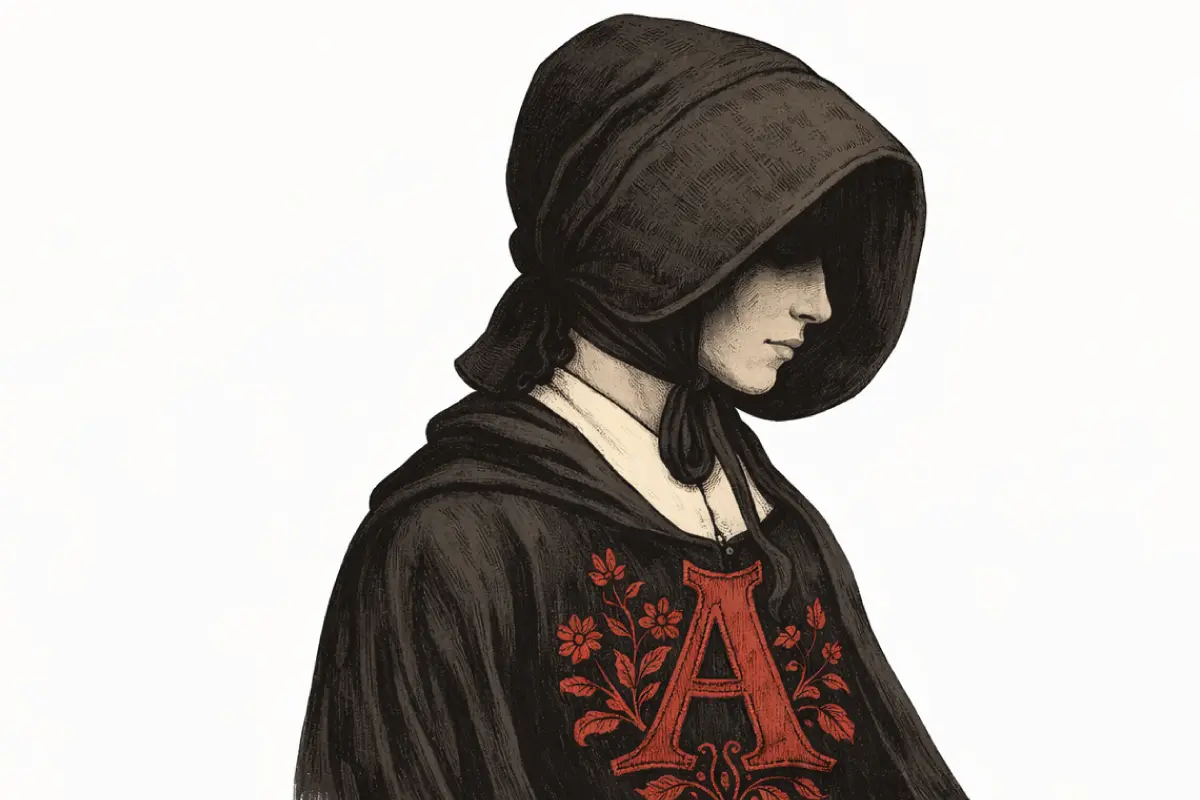
Forced to wear a scarlet A in front of her whole community, Hester Prynne lives under constant judgment while the people around her hide sins of their own. This teaching guide shows how to keep a mixed-ability class inside one shared novel conversation with Original and Leveled paths.
How to teach this title in a mixed-ability class
Teach one whole-class unit on The Scarlet Letter. Differentiate with Original and Leveled tracks so mixed-readiness students share the same story, then anchor discussion in guilt, hypocrisy, identity, community punishment. Preview free titles first if you are still testing the workflow; unlock full library access with a Classroom License when you are ready.
Why this title works for mixed-ability classes
The Scarlet Letter by Nathaniel Hawthorne (1850) is commonly placed in the High School (9–12) band with content maturity around 7.5. The classroom win is keeping one shared conversation about guilt, hypocrisy, identity, community punishment while adjusting reading load.
The Scarlet Letter is available in the full library. Try free titles first if needed, then use a Classroom License for whole-class access without student logins.
Original vs Leveled at a glance
Best when students can sustain fuller language and craft analysis.
Best when stamina or decoding load would otherwise stall discussion.
Confirm current metrics before publishing pacing docs. Open reading-level details for the compact FKGL and word-count view, or browse the full Library.
| Choose… | When… |
|---|---|
| Original | Students can work with symbolic prose and you want craft/theme depth. |
| Leveled | You need broader access to Hester, Dimmesdale, and Chillingworth’s conflict for whole-class ethics talk. |
| Both tracks | Your class has a wide readiness spread and you still want one unit conversation. |
What makes the text demanding
- Symbolic density: letter, forest, scaffold need guided interpretation.
- Puritan context: background knowledge supports comprehension.
- Pacing: reflective chapters can feel slow without purpose.
- Original style: higher stamina demand than many students expect.
A practical mixed-level week
- Focus 1: Context: community rules and public punishment.
- Focus 2: Track three main figures’ secret vs public selves.
- Focus 3: Symbol seminar: letter, forest, light/dark.
- Focus 4: Essay on hypocrisy or identity.
Assign by story beat or scene cluster, not identical page counts. Hold one discussion set all week so Original and Leveled readers stay aligned.
Discussion prompts that work across versions
- Who is punished most—and by whom?
- How does public shame differ from private guilt in the novel?
- Is Hester free, trapped, or both by the end?
- Where does the community’s morality fail its own standards?
Content and classroom-fit notes
Mature themes of adultery, shame, and psychological torment—standard for many high school courses with preview.
Study guide and licensing path
Pair reading with a companion study guide when you want ready-made analysis tasks. For whole-library deployment, use the Classroom License: unlock on a teacher device, then share a Student Link or QR so students never need accounts.
FAQ
What grade band fits The Scarlet Letter best?
The Scarlet Letter is commonly placed in the High School (9–12) band. Confirm maturity and version metrics in the Library browser before finalizing pacing.
When should teachers choose the Leveled version of The Scarlet Letter?
You need broader access to Hester, Dimmesdale, and Chillingworth’s conflict for whole-class ethics talk.
Where do I look up FKGL and word counts?
Open the Library browser, find The Scarlet Letter, and use its title page for reading-level details.