Choose Original when...
- Best for classes ready to compare voices, irony, and medieval social critique.
- Supports stronger work on satire, genre, and point of view.
- Useful when students are analyzing how the teller shapes the tale.
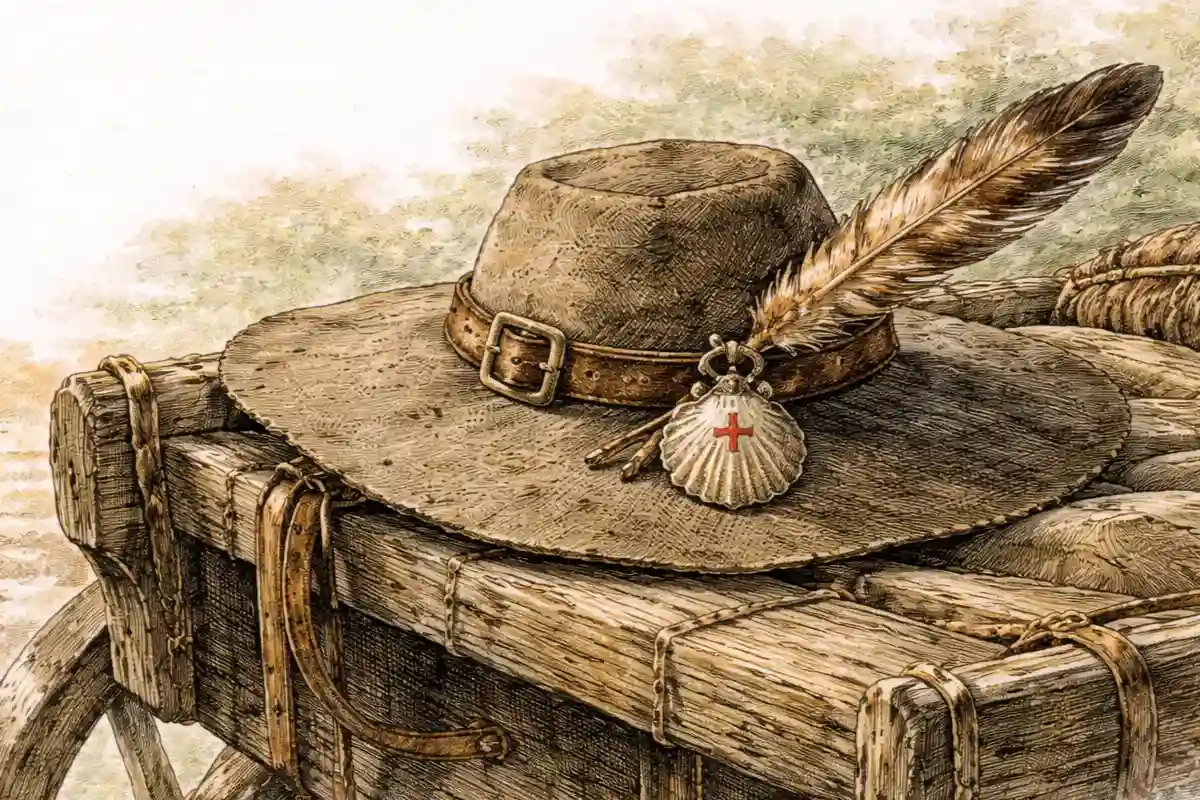
The Canterbury Tales by Geoffrey Chaucer (c. 1387–1400). Welcome to the Leveled Lit Classics Library (LLCL), a platform made by a teacher for teachers that makes timeless classical literature accessible to students and meets them at their reading level. Each title in the library has a comprehensive companion study and lesson plan.
The Canterbury Tales by Geoffrey Chaucer (c. 1387–1400) can work across multiple grade bands when teachers match the text version to student reading readiness. LLCL offers both Original and Leveled classroom paths so classes can stay aligned on satire, social class, competing voices, and the way storytelling becomes a contest over values and status.
Teachers often need to decide whether The Canterbury Tales should be taught as a medieval survey text, a satire and social-class unit, or a supported class study where students need help with the frame, tone, and selected tale choices.
Use the Original when students are ready for layered satire, voice, and historical context. Use the Leveled version when the class needs stronger access to the pilgrims, the storytelling contest, and the collection's core social critique.
| Version | Reading profile | Best classroom use |
|---|---|---|
| Original | FKGL 9 • 197,200 words | Best for stronger readers and full-text literary analysis. |
| Leveled | FKGL 7.3 • 14,300 words | Best for accessibility, differentiation, and shared whole-class pacing. |
Students often need support understanding the pilgrimage frame and why each teller's voice matters.
The text becomes much more valuable when teachers choose tales strategically instead of treating every section the same way.
Satire, social critique, and medieval assumptions about class and religion may need explicit framing.
Teachers usually select tales carefully and preview sexual content, crude humor, religious satire, and social mockery before using The Canterbury Tales in class.
Need a free high-school LLCL example? Frankenstein lets teachers preview the same platform and study-guide structure with another widely taught secondary text.
It is most often strongest in grades 10–12, especially when teachers select tales intentionally and frame the satire clearly.
Students need support with medieval context, voice, satire, and the frame narrative. The challenge is as much about context and tone as it is about plot.
Use it when students need stronger access to the pilgrims, the storytelling frame, and the collection's core social critique before handling denser language and nuance.