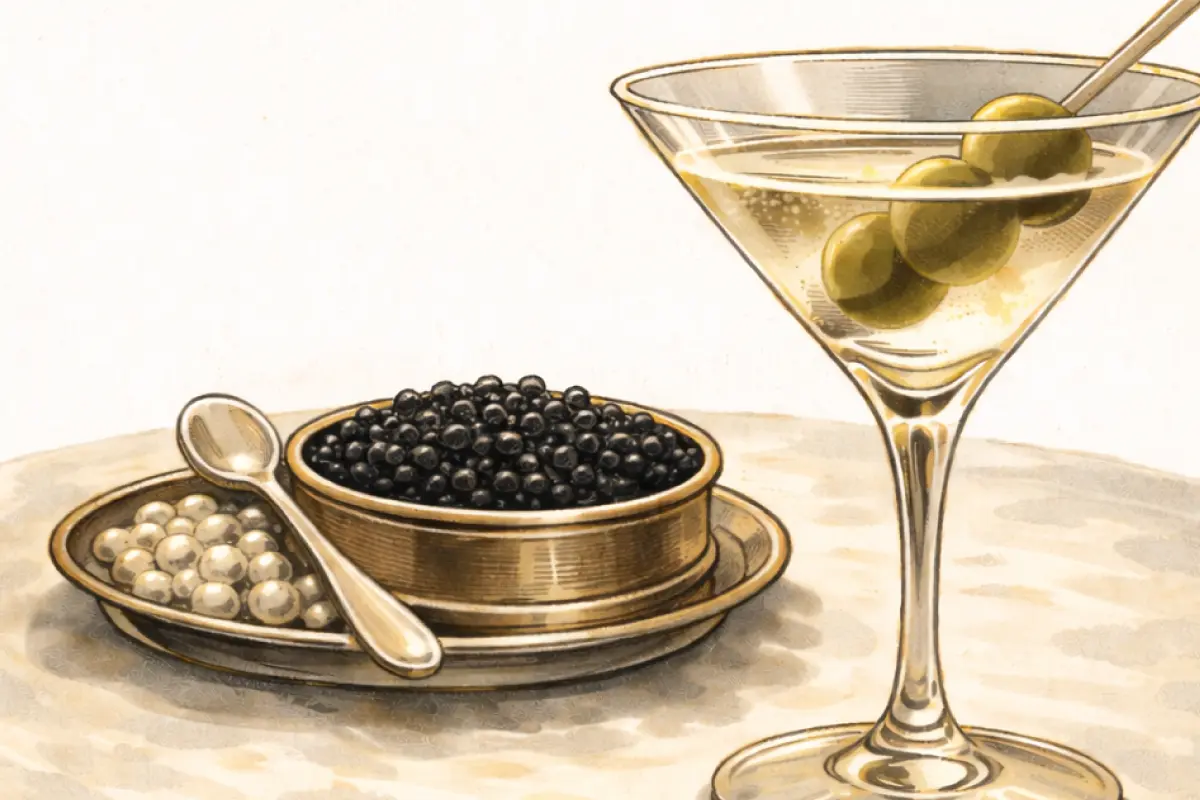
The Great Gatsby Reading Level, Grade Level, and Best Classroom Version
The Great Gatsby by F. Scott Fitzgerald (1925). Welcome to the Leveled Lit Classics Library (LLCL), a platform made by a teacher for teachers that makes timeless classical literature accessible to students and meets them at their reading level. Each title in the library has a comprehensive companion study and lesson plan.
Browse more classics for Grades 9–12
Challenges Teachers Face
The Great Gatsby by F. Scott Fitzgerald (1925) can work across multiple grade bands when teachers match the text version to student reading readiness. LLCL offers both Original and Leveled classroom paths so classes can stay aligned on symbolism, character motivation, and the novel's critique of wealth and illusion.
Teachers often need to decide whether Gatsby belongs in a standard high school unit, an honors setting, or a supported class that still needs access to its symbols and social critique.
Use the Original when students are ready to track Fitzgerald's layered symbolism and Nick's point of view. Use the Leveled version when the goal is stronger access to plot, character relationships, and the American Dream conversation without losing the novel's central arc.
Reading level and text complexity at a glance
| Version | Reading profile | Best classroom use |
|---|
| Original |
FKGL 6.3 • 48,500 words |
Best for stronger readers and full-text literary analysis. |
| Leveled |
FKGL 4.8 • 24,900 words |
Best for accessibility, differentiation, and shared whole-class pacing. |
When should teachers choose the Original or Leveled version?
Choose Original when...
- Best when students can sustain close reading of figurative language and subtext.
- Supports stronger discussion of narrator reliability, symbolism, and Fitzgerald's style.
- Useful in honors, AP-prep, or college-readiness units centered on analytical writing.
Choose Leveled when...
- Helps more students access the plot and character web before moving into symbolism and theme.
- Works well for mixed-readiness classes that still need shared discussion and evidence work.
- Useful when pacing matters and you want the class to stay together on key scenes.
Why can The Great Gatsby feel difficult for some students?
figurative languageJazz Age contextsymbolism and inferencenarrator reliability
Students often need support unpacking symbolism rather than just following the surface plot.
Nick's reflective narration asks readers to infer motive and bias instead of relying on direct explanation.
The novel assumes some background on the Jazz Age, old money, and social performance in the 1920s.
Content and classroom-fit considerations
Teachers usually want to preview the novel's drinking culture, adultery, and implied violence, especially when teaching younger high school readers.
Same-grade-band free title example
Frankenstein
Need a free high-school LLCL example? The Great Gatsby lets teachers preview the same platform and lesson-plan structure through another canonical secondary text.
FAQ
What grade level is The Great Gatsby usually best for?
Most often, Gatsby works best in grades 9–12, with the strongest payoff in classes ready for symbolism, social critique, and narrator analysis.
Is The Great Gatsby too hard for 9th grade?
Not necessarily, but many 9th grade classes need support with symbolism, historical context, and Fitzgerald's indirect style. The Leveled version can make that work more smoothly.
When should teachers choose the Leveled version?
Choose it when the instructional goal is strong access to plot, theme, and discussion rather than prolonged struggle with diction, subtext, and dense symbolism.