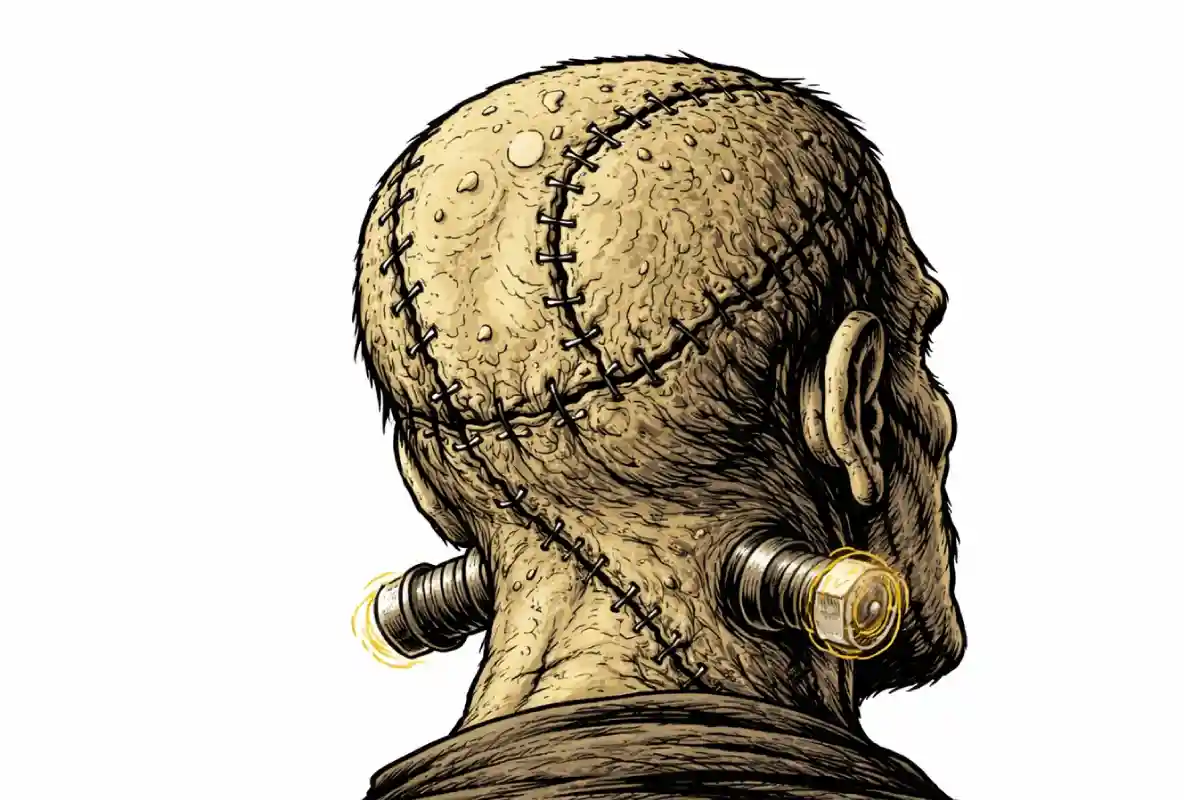
Frankenstein Reading Level, Grade Level, and Best Classroom Version
Frankenstein by Mary Shelley (1818). Welcome to the Leveled Lit Classics Library (LLCL), a platform made by a teacher for teachers that makes timeless classical literature accessible to students and meets them at their reading level. Each title in the library has a comprehensive companion study and lesson plan.
Browse more classics for Grades 9–12
Challenges Teachers Face
Frankenstein by Mary Shelley (1818) can work across multiple grade bands when teachers match the text version to student reading readiness. LLCL offers both Original and Leveled classroom paths so classes can stay aligned on ethics, responsibility, and the Creature's shifting relationship to society.
Teachers often need to decide whether Frankenstein should be taught mainly as Gothic plot, as a science-and-ethics text, or as a more demanding novel about responsibility, alienation, and the human need for belonging.
Use the Original when students are ready to handle the nested narration and Shelley's abstract language. Use the Leveled version when you want broader access to Victor, the Creature, and the novel's ethical questions without losing the core conflict.
Reading level and text complexity at a glance
| Version | Reading profile | Best classroom use |
|---|
| Original |
FKGL 10.5 • 75,200 words |
Best for stronger readers and full-text literary analysis. |
| Leveled |
FKGL 8 • 15,200 words |
Best for accessibility, differentiation, and shared whole-class pacing. |
When should teachers choose the Original or Leveled version?
Choose Original when...
- Best for classes ready to trace complex narration and philosophical language.
- Supports deeper discussion of ethics, Romanticism, and the Creature's self-education.
- Useful when students are writing analytical responses about blame, sympathy, and scientific overreach.
Choose Leveled when...
- Helps students access the plot, major speeches, and moral debate more quickly.
- Works well in mixed-readiness classes that still want to study the novel's big questions.
- Useful when teachers want stronger comprehension before deeper thematic analysis.
Why can Frankenstein feel difficult for some students?
frame narrativephilosophical languagescience-and-ethics themeslong reflective passages
The frame narrative requires students to track who is speaking and how perspective shapes meaning.
Shelley's language can become abstract when the novel turns toward ethics, isolation, and the nature of humanity.
Students often need support connecting Gothic atmosphere to the larger moral questions the novel raises.
Content and classroom-fit considerations
Teachers usually preview body horror, murder, grief, and revenge in advance, especially when using the novel with younger high school readers.
Same-grade-band free title example

The Great Gatsby
Need a free high-school LLCL example? Frankenstein lets teachers preview the same platform and study-guide structure with another widely taught secondary text.
FAQ
What grade level is Frankenstein usually best for?
Frankenstein is most often taught in grades 9–12, especially in Gothic literature, science-and-ethics, or Romanticism units.
Why does Frankenstein feel harder than its plot summary sounds?
The plot is accessible, but the frame narrative, abstract language, and long reflective passages make the Original text more demanding than a simple horror storyline suggests.
When should teachers choose the Leveled version?
Choose it when you want students focused on Victor, the Creature, and the ethics of creation rather than losing momentum in Shelley's denser phrasing and layered narration.