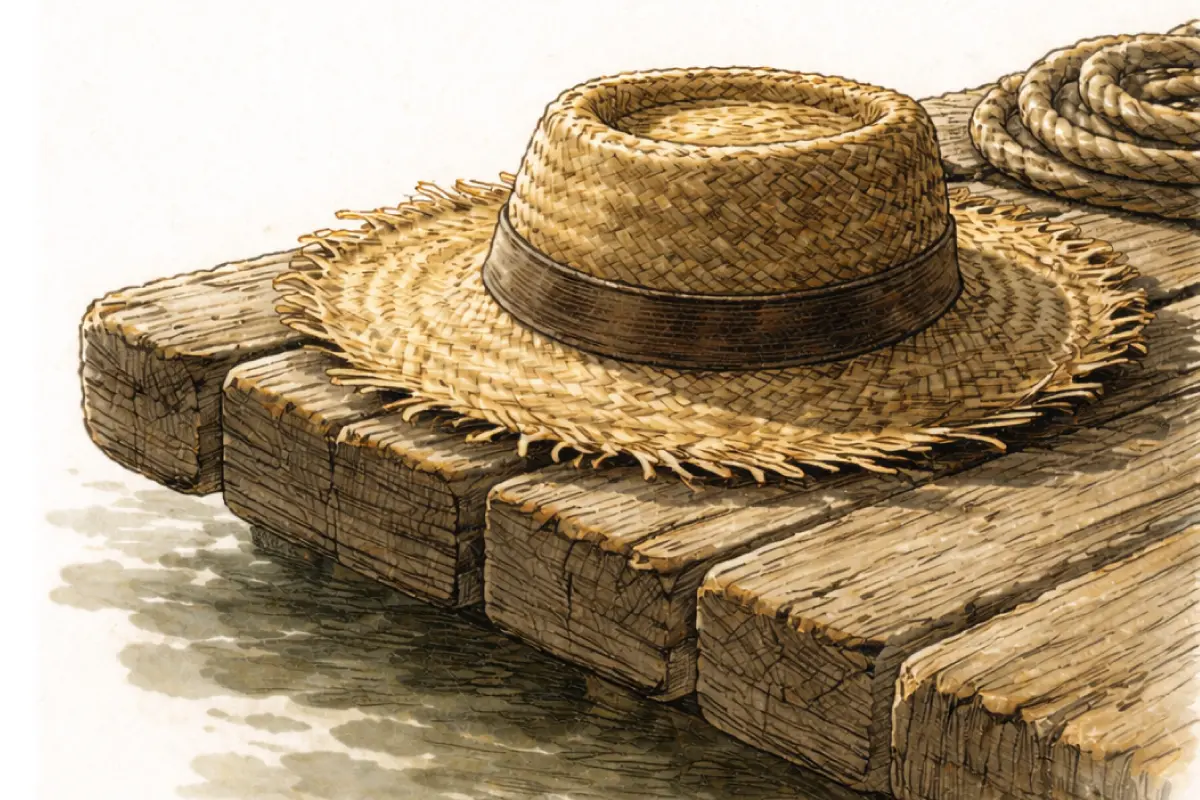
The Adventures of Huckleberry Finn Reading Level, Grade Level, and Best Classroom Version
The Adventures of Huckleberry Finn by Mark Twain (1884). Welcome to the Leveled Lit Classics Library (LLCL), a platform made by a teacher for teachers that makes timeless classical literature accessible to students and meets them at their reading level. Each title in the library has a comprehensive companion study and lesson plan.
Browse more classics for Grades 9–12
Challenges Teachers Face
The Adventures of Huckleberry Finn by Mark Twain (1884) can work across multiple grade bands when teachers match the text version to student reading readiness. LLCL offers both Original and Leveled classroom paths so classes can stay aligned on conscience, freedom, satire, and the novel's critique of the society traveling beside the river.
Teachers often need to decide whether Huckleberry Finn is the right fit for their class given its dialect, racial language, and the balance between adventure plot and social satire.
Use the Original when students are ready to work carefully with dialect, satire, and historical context. Use the Leveled version when you want stronger access to Huck and Jim's journey, moral growth, and the novel's critique of hypocrisy without losing class cohesion.
Reading level and text complexity at a glance
| Version | Reading profile | Best classroom use |
|---|
| Original |
FKGL 6.2 • 111,100 words |
Best for stronger readers and full-text literary analysis. |
| Leveled |
FKGL 4.2 • 13,900 words |
Best for accessibility, differentiation, and shared whole-class pacing. |
When should teachers choose the Original or Leveled version?
Choose Original when...
- Best for classes ready to work directly with dialect, satire, and historical language.
- Supports richer discussion of conscience, hypocrisy, and American society.
- Useful when students are writing analytical responses about race, friendship, and moral choice.
Choose Leveled when...
- Helps students stay with Huck and Jim's journey and the major moral turning points.
- Works well when the class needs stronger plot access without losing the larger themes.
- Useful in mixed-readiness classes where dialect would otherwise slow the unit too much.
Why can The Adventures of Huckleberry Finn feel difficult for some students?
dialectsatirehistorical racismepisodic structure
Dialect can slow readers down even when they understand the storyline.
Students may read the novel as simple adventure unless teachers actively surface Twain's satire and moral critique.
The book requires careful framing of racial slurs, historical context, and how Huck's conscience develops against social pressure.
Content and classroom-fit considerations
Teachers almost always preview racial slurs, racist attitudes, fraud, violence, and the need for strong historical framing before assigning Huckleberry Finn.
Same-grade-band free title example
The Great Gatsby
Need a free high-school LLCL example? Frankenstein lets teachers preview the same platform and study-guide structure with another widely taught secondary text.
FAQ
What grade level is Huckleberry Finn usually best for?
It is most often strongest in grades 9–12, especially when teachers are ready to frame its racial language and satire carefully.
Why is Huckleberry Finn challenging in the classroom?
The biggest issues are dialect, the handling of racial slurs and historical racism, and helping students see the satire rather than reading only the adventure plot.
When should teachers use the Leveled version?
Use it when students need stronger access to Huck and Jim's journey and the novel's major moral decisions without losing momentum in dialect-heavy passages.