Choose Original when...
- Best for students ready to study atmosphere, ambiguity, and literary style.
- Useful when genre history and interpretation are central to the unit.
- Strong choice for comparison with gothic or weird-fiction traditions.
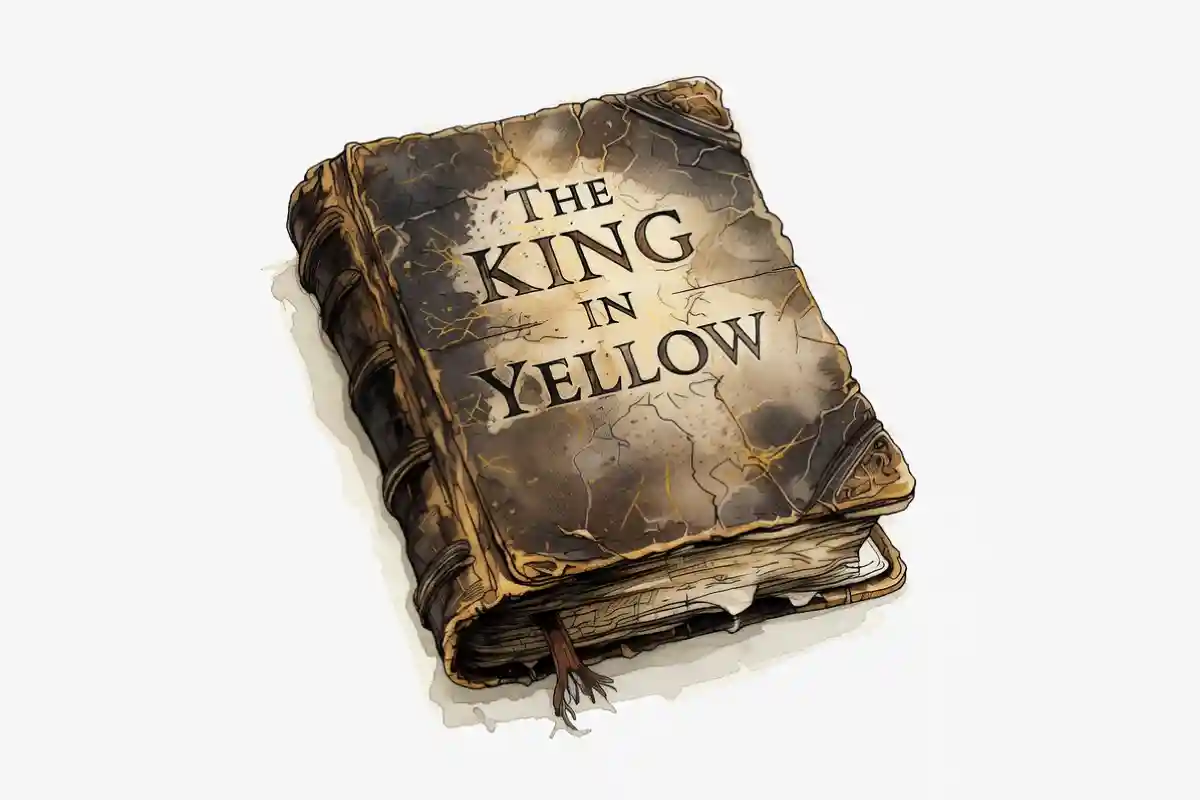
The King in Yellow by Robert W. Chambers (1895). Welcome to the Leveled Lit Classics Library (LLCL), a platform made by a teacher for teachers that makes timeless classical literature accessible to students and meets them at their reading level. Each title in the library has a comprehensive companion study and lesson plan.
The King in Yellow by Robert W. Chambers (1895) can work across multiple grade bands when teachers match the text version to student reading readiness. LLCL offers both Original and Leveled classroom paths into the same story so classes can stay aligned on plot, theme, and character development.
Teachers often need to decide whether The King in Yellow is a good fit for upper secondary students given its unsettling atmosphere, layered stories, and literary references.
Use the Original when students are ready for ambiguity, style, and literary atmosphere; use the Leveled version when you want them focused on theme, tension, and speculative ideas without the full prose barrier.
| Version | Reading profile | Best classroom use |
|---|---|---|
| Original | FKGL 6.7 • 72,100 words | Best for stronger readers and full-text literary analysis. |
| Leveled | FKGL 6.6 • 13,700 words | Best for accessibility, differentiation, and shared whole-class pacing. |
Students may need support understanding that the text often values mood, implication, and ideas over straightforward plot payoff.
Some stories rely on atmosphere and interpretation, which can frustrate readers expecting direct answers.
Teachers often need to guide students toward genre conventions and recurring motifs rather than only event-based comprehension.
The King in Yellow includes psychological instability, unsettling imagery, and disturbing ideas. It is usually best for older secondary students who can handle ambiguity and darker literary material.

Need a free high-school LLCL example? Frankenstein lets teachers preview the same platform and study-guide structure with another widely taught secondary text.
For many upper-level high-school classes, yes—especially in genre study—but it is better suited to older students than to general lower-secondary readers.
The difficulty usually comes from ambiguity and literary atmosphere, not from plot complexity alone.
Use it when students need more support seeing the recurring themes and genre patterns without getting stalled by the prose or indirect storytelling.