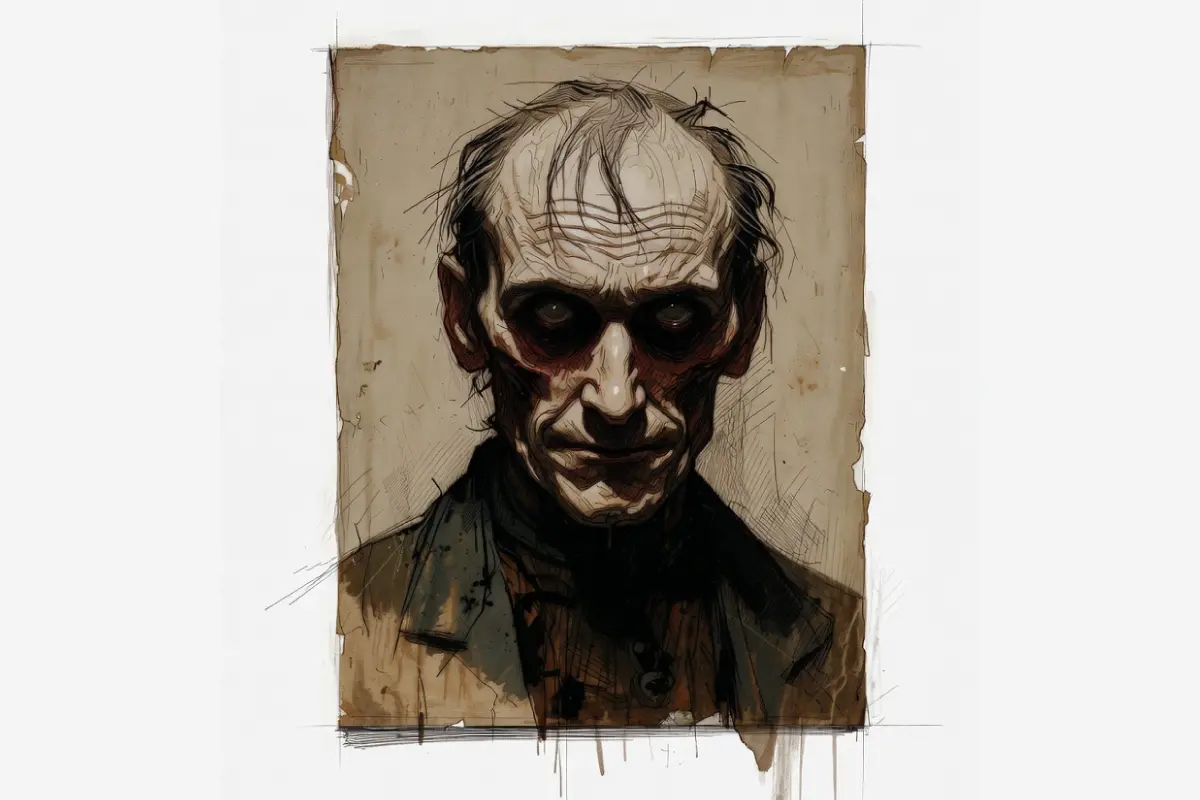
The Picture of Dorian Gray: Reading Level & Classroom Fit
The Picture of Dorian Gray by Oscar Wilde (1890). For mature high-school classes, choose Original for close study of Wilde’s wit and style, or Leveled to reduce reading load while following Dorian’s choices. A simpler reading level does not remove the novel’s mature themes: preview manipulation, suicide, murder, and implied sexuality before assigning either version.
Browse more classics for Grades 9–12
Challenges Teachers Face
The Picture of Dorian Gray by Oscar Wilde (1890) can work across multiple grade bands when teachers match the text version to student reading readiness. LLCL offers both Original and Leveled classroom paths so classes can stay aligned on influence, vanity, conscience, and the moral cost of aesthetic self-indulgence.
Teachers often need to decide whether Dorian Gray belongs in a mature upper-high-school setting, an honors literature course, or a supported class where Wilde's style and the novel's moral complexity need clearer entry points.
Use the Original when students are ready to wrestle with Wilde's wit, aphorisms, and moral ambiguity. Use the Leveled version when the priority is following Dorian's corruption and the novel's central debate about beauty, influence, and conscience.
Reading level and text complexity at a glance
| Version | Reading profile | Best classroom use |
|---|
| Original |
FKGL 5.3 • 79,200 words |
Best for stronger readers and full-text literary analysis. |
| Leveled |
FKGL 6.1 • 13,600 words |
Best for accessibility, differentiation, and shared whole-class pacing. |
When should teachers choose the Original or Leveled version?
Choose Original when...
- Best for students ready to analyze Wilde's style, irony, and philosophical dialogue.
- Supports strong discussion of symbolism, aestheticism, and moral ambiguity.
- Useful in classes where students are writing interpretive literary analysis.
Choose Leveled when...
- Helps students stay with the plot and the portrait's symbolic role more easily.
- Works well when the class needs stronger access to theme before tackling Wilde's denser language.
- Useful for mixed-readiness classes studying Gothic or ethical themes.
Why can The Picture of Dorian Gray feel difficult for some students?
epigram-heavy dialoguephilosophical passagesVictorian aestheticismmature moral content
Wilde's dialogue can be dense with epigrams, paradoxes, and ideas that students need time to unpack.
The novel often discusses morality indirectly rather than stating judgments in a simple way.
Students may need support understanding how influence, performance, and self-deception drive Dorian's choices.
Content and classroom-fit considerations
Teachers usually preview implied sexuality, manipulation, suicide, murder, and decadence before assigning Dorian Gray in a general high school setting.
Same-grade-band free title example
The Great Gatsby
Need a free high-school LLCL example? Frankenstein lets teachers preview the same platform and study-guide structure with another widely taught secondary text.
FAQ
What grade level is The Picture of Dorian Gray usually best for?
Most often, it works best in grades 10–12, especially when students are ready for moral ambiguity, symbolism, and stylistic analysis.
Why can Dorian Gray be difficult for students?
The plot is compelling, but Wilde's epigram-heavy dialogue and the novel's indirect treatment of ethics make the Original text demanding.
When should teachers choose the Leveled version?
Choose it when the class needs stronger access to Dorian's arc, the portrait's symbolism, and the novel's ethical tensions without getting lost in the phrasing.