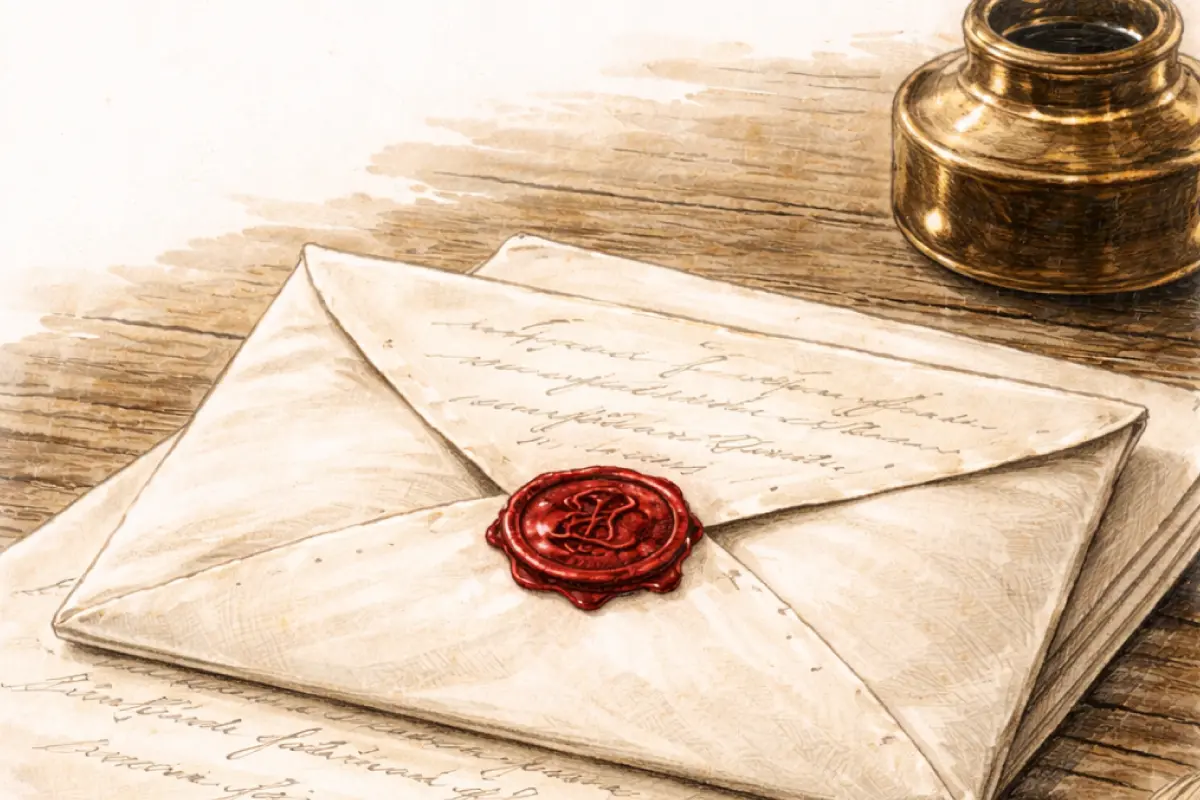
Pride and Prejudice Reading Level, Grade Level, and Best Classroom Version
Pride and Prejudice by Jane Austen (1813). Welcome to the Leveled Lit Classics Library (LLCL), a platform made by a teacher for teachers that makes timeless classical literature accessible to students and meets them at their reading level. Each title in the library has a comprehensive companion study and lesson plan.
Browse more classics for Grades 9–12
Challenges Teachers Face
Pride and Prejudice by Jane Austen (1813) can work across multiple grade bands when teachers match the text version to student reading readiness. LLCL offers both Original and Leveled classroom paths so classes can stay aligned on character judgment, irony, and the novel's critique of marriage, class, and first impressions.
Teachers often need to decide whether Pride and Prejudice will function best as a full Original-text novel, a supported class study, or a Leveled option that keeps students engaged with Elizabeth, Darcy, and Austen's social satire.
Use the Original when students are ready to track irony, subtext, and Austen's sentence structure. Use the Leveled version when the class needs cleaner access to the relationships, social pressures, and the novel's major turning points.
Reading level and text complexity at a glance
| Version | Reading profile | Best classroom use |
|---|
| Original |
FKGL 10.6 • 83,900 words |
Best for stronger readers and full-text literary analysis. |
| Leveled |
FKGL 7.6 • 12,900 words |
Best for accessibility, differentiation, and shared whole-class pacing. |
When should teachers choose the Original or Leveled version?
Choose Original when...
- Best for classes ready to analyze irony, syntax, and dialogue closely.
- Supports stronger discussion of social class, reputation, and shifting judgment.
- Useful when students are writing about characterization and Austen's style.
Choose Leveled when...
- Helps students stay grounded in the relationships and social stakes.
- Works well when the class needs easier access to the plot before tackling Austen's irony in depth.
- Useful in mixed-readiness classes that still want to keep the full novel arc intact.
Why can Pride and Prejudice feel difficult for some students?
Regency dictionirony and understatementdialogue-driven characterizationsocial context
Students often need help recognizing irony because Austen rarely explains her critique in blunt terms.
So much of the novel's action happens through conversation, tone, and changing interpretation rather than dramatic external plot.
Regency manners, inheritance rules, and marriage expectations shape meaning in ways students may not know at first.
Content and classroom-fit considerations
The main hurdle in Pride and Prejudice is usually historical language and social inference rather than mature content, which makes it a good high-school choice when support for irony is built in.
Same-grade-band free title example
The Great Gatsby
Need a free high-school LLCL example? Frankenstein lets teachers preview the same platform and study-guide structure with another widely taught secondary text.
FAQ
Is Pride and Prejudice too hard for 9th grade?
It can work in 9th grade, but many classes need support with irony, social context, and Austen's dialogue-heavy style. The Leveled version can make that much more manageable.
What makes Pride and Prejudice challenging?
The biggest barrier is usually not the plot. It is Austen's irony, the historical marriage market, and the way meaning often lives in tone rather than explicit explanation.
When should teachers choose the Leveled version?
Use it when students need stronger access to the relationships, social pressures, and major shifts in judgment before tackling the novel's subtler irony.