Short story · Fog, contagion dread, and pity
Teaching The Voice in the Night with Mixed Reading Levels
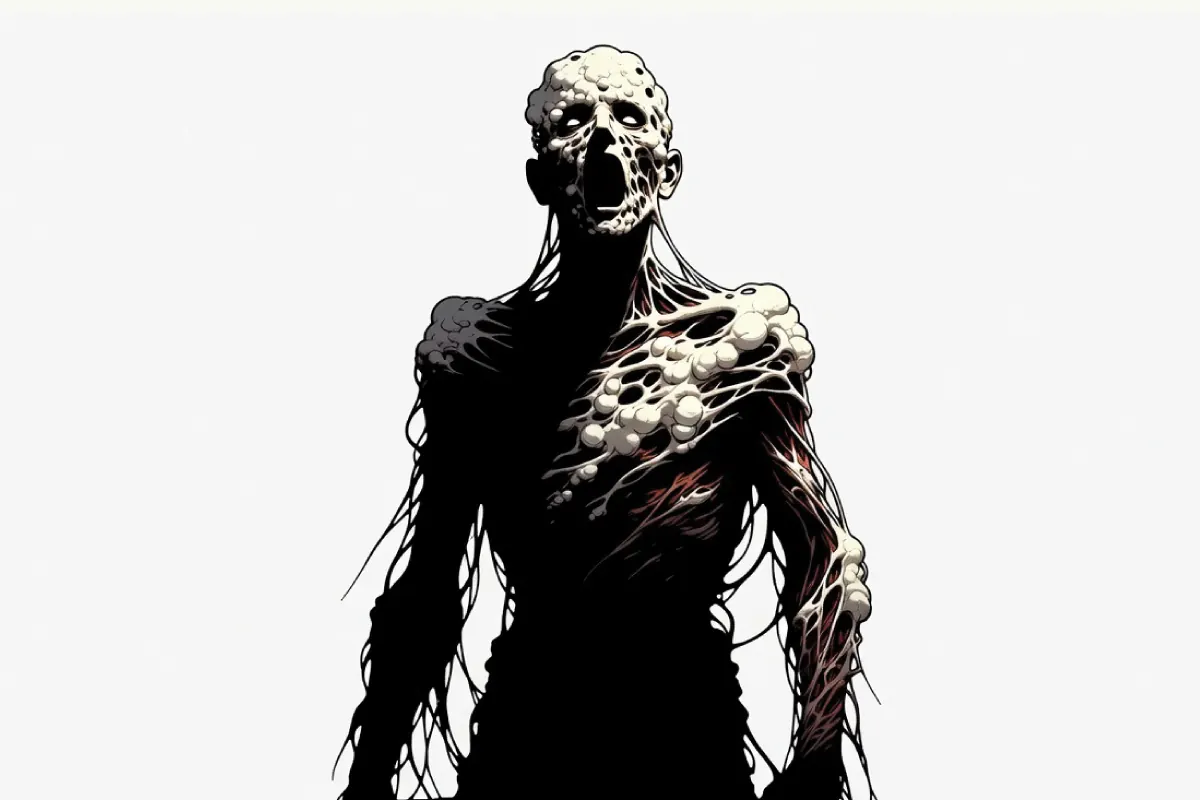
A ship hears a desperate voice calling from the black sea, and the castaway’s story gets more sickening and impossible with every detail he reveals. This teaching guide shows how to keep a mixed-ability class inside one shared short story with Original and Leveled paths.
Classroom solution for mixed reading levels
Teach one whole-class unit on The Voice in the Night. Differentiate with Original and Leveled tracks so mixed-readiness students share the same story, then anchor discussion in isolation, contagion dread, pity, weird tale atmosphere. Preview free titles first if you are still testing the workflow; unlock full library access with a Classroom License when you are ready.
Why this title works for mixed-ability classes
The Voice in the Night by William Hope Hodgson (1907) is commonly placed in the Middle School (6–8) band with content maturity around 6. The classroom win is keeping one shared conversation about isolation, contagion dread, pity, weird tale atmosphere while adjusting reading load across days.
The Voice in the Night is available in the full library. Try free titles first if needed, then use a Classroom License for whole-class access without student logins.
Original vs Leveled at a glance
Best when students can sustain fuller language and craft or content analysis.
Best when stamina or decoding load would otherwise stall discussion.
Confirm current metrics before publishing pacing docs. Open reading-level details for the compact FKGL and word-count view, or browse the full Library.
| Choose… | When… |
|---|---|
| Original | Students can handle denser weird-tale description for atmosphere and ethics analysis. |
| Leveled | You need clearer access to the speakers’ situation for whole-class discussion of pity and fear. |
| Both tracks | Your class has a wide readiness spread and you still want one unit conversation. |
What makes the text demanding
- Weird-fungus premise: body horror—preview.
- Voice without full sight: craft of unseen speakers.
- Pity vs fear: moral response is central.
- Atmosphere: fog/sea setting carries meaning.
A practical mixed-level week
- Focus 1: Preview content and purpose.
- Focus 2: Seen vs unseen evidence chart.
- Focus 3: Ethics of help under risk.
- Focus 4: Write on pity and horror craft.
Assign by section, poem, tale, or inquiry beat—not identical page counts. Hold one discussion set across the sequence so Original and Leveled readers stay aligned.
Discussion prompts that work across versions
- Why is a voice in fog more unsettling than a fully seen monster?
- How does the story balance horror with compassion?
- What would you do in the listeners’ place—and what does the text suggest is right?
- What modern contagion fears does the tale anticipate?
Content and classroom-fit notes
Moderate-to-high weird horror (body transformation). Mature middle/high school with preview.
Study guide and licensing path
Pair reading with a companion study guide when you want ready-made analysis tasks. For whole-library deployment, use the Classroom License: unlock on a teacher device, then share a Student Link or QR so students never need accounts.
FAQ
What grade band fits The Voice in the Night best?
The Voice in the Night is commonly placed in the Middle School (6–8) band. Confirm maturity and version metrics in the Library browser before finalizing pacing.
When should teachers choose the Leveled version of The Voice in the Night?
You need clearer access to the speakers’ situation for whole-class discussion of pity and fear.
Where do I look up FKGL and word counts?
Open the Library browser, find The Voice in the Night, and use its title page for reading-level details.